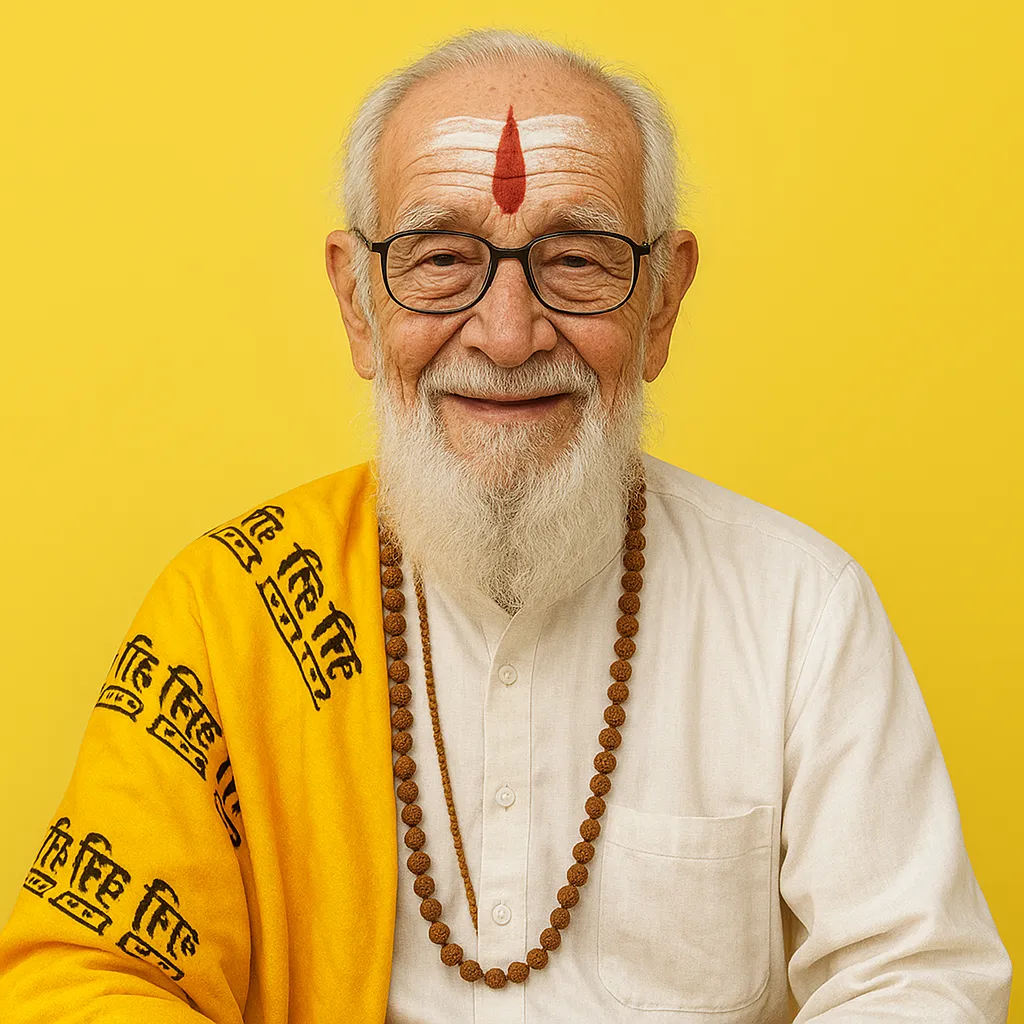

Bhai Dooj is a traditional Hindu festival celebrating the sacred bond between brothers and sisters. It is observed on Dwitiya Tithi (second lunar day) of the Krishna Paksha after the Holi festival. The day symbolizes affection, protection, and lifelong companionship between siblings.
In 2026, Bhai Dooj will be celebrated on Thursday, 5 March 2026. The festival is also known as Bhratri Dwitiya or Holi Bhai Dooj in many regions of India. On this day, sisters apply a sacred tilak on their brothers’ foreheads, perform aarti, and pray for their well-being and long life.
From an astrological perspective, Bhai Dooj occurs during the Chaitra Krishna Paksha, a period associated with emotional renewal and relationship harmony. Rituals performed on this day are believed to strengthen familial bonds and promote positive karmic connections within the family.
Bhai Dooj 2026 Date and Muhurat
Important Tithi and Timing (IST)
According to traditional Panchang calculations:
- Festival Date: 5 March 2026 (Thursday)
- Dwitiya Tithi Begins: 4:48 PM on 4 March 2026
- Dwitiya Tithi Ends: 5:03 PM on 5 March 2026
- Tilak Shubh Muhurat: 6:42 AM – 8:10 AM (IST)
- Brahma Muhurat: 5:04 AM – 5:53 AM
- Abhijit Muhurat: 12:09 PM – 12:56 PM
- Rahu Kaal: 2:00 PM – 3:28 PM (avoid rituals)
The festival is observed on 5 March because Dwitiya Tithi is active at sunrise, which follows the Udaya Tithi rule used in most Hindu calendars.
Mythological Background of Bhai Dooj
The spiritual origin of Bhai Dooj is connected to the story of Yamraj and his sister Yamuna.
According to Hindu tradition:
- Yamuna invited her brother Yamraj to visit her home.
- She welcomed him with a sacred tilak, aarti, and meal.
- Pleased by her affection, Yamraj granted a blessing that brothers who receive tilak from their sisters on this day will be blessed with longevity and protection.
Because of this legend, the festival is also known as Yama Dwitiya.
A traditional Sanskrit verse associated with the festival is:
“यमद्वितीयायां भ्राता जीवनमायुष्यम् लभेत्।”
Meaning: A brother receiving blessings on Yama Dwitiya is granted long life and protection.
Bhai Dooj Tilak Vidhi (Step-by-Step Ritual)
The tilak ceremony is the central ritual of Bhai Dooj.
Preparation of Puja Thali
A traditional thali contains:
- Roli or kumkum
- Rice grains (Akshat)
- Diya (lamp)
- Flowers
- Sweets or dry fruits
- Coconut
Tilak Ritual Process
- Clean the house and prepare a sacred puja space.
- Light a ghee diya and invoke family deities.
- Sisters perform aarti for their brothers.
- Apply tilak with roli and rice on the brother’s forehead.
- Offer sweets and prayers for prosperity.
- Brothers give gifts and blessings in return.
In many families, sisters also prepare a special meal called “Bhai Bhoj.”
Astrological Significance of Bhai Dooj
Bhai Dooj holds symbolic meaning in Vedic astrology, particularly related to family relationships.
1. Dwitiya Tithi and Relationship Energy
The Dwitiya Tithi is associated with:
- Partnerships
- Cooperation
- Emotional balance
Performing rituals on this day symbolically strengthens bonds between siblings.
2. Influence on the Third House
In astrology, the 3rd house represents siblings, courage, and communication. Festivals like Bhai Dooj emphasize nurturing these relationships and resolving misunderstandings.
3. Post-Holi Emotional Renewal
Holi symbolizes cleansing and renewal. Bhai Dooj, which follows Holi, shifts focus toward gratitude, forgiveness, and family unity.
Simple Remedies for Sibling Harmony
Traditional astrology suggests small remedies that promote positive family energy.
Spiritual Remedies
- Chant the mantra “ॐ यमाय नमः” for protection.
- Light a ghee lamp in the evening for family harmony.
- Offer sweets or fruits to the poor.
Relationship Remedies
- Spend quality time with siblings.
- Express gratitude for family support.
- Resolve past misunderstandings.
Puja Remedies
- Use sandalwood tilak for calm energy.
- Offer white sweets or kheer for peace and prosperity.
These practices help reinforce the spiritual intention behind Bhai Dooj—love, protection, and unity within the family.
Cultural Variations Across India
The festival is celebrated with different names in various regions:
- Bhai Phonta – West Bengal
- Bhau Beej – Maharashtra and Goa
- Bhai Tika – Nepal
- Bhratri Dwitiya – Sanskrit name
Although rituals may differ slightly, the essence of the festival remains the same: celebrating the lifelong bond between siblings.
Conclusion
Bhai Dooj 2026, celebrated on 5 March 2026, is a meaningful festival that highlights the emotional and spiritual connection between brothers and sisters. The Dwitiya Tithi, auspicious tilak muhurat, and traditional rituals together symbolize protection, gratitude, and family unity.
Beyond religious rituals, the festival encourages people to strengthen relationships, express appreciation, and reconnect with family members.
When celebrated with awareness and sincerity, Bhai Dooj becomes not just a ritual but a reminder of the enduring value of love, respect, and mutual support among siblings.
FAQs
1. When is Bhai Dooj in 2026?
Bhai Dooj in 2026 will be celebrated on 5 March 2026.
The festival occurs on Chaitra Krishna Dwitiya, the second lunar day after the Holi celebration. Because the Dwitiya Tithi prevails at sunrise on March 5, the festival is observed on this day.
Tips
- Perform the tilak during the morning muhurat.
- Share a meal with siblings.
- Offer prayers for family harmony.
2. What is the shubh muhurat for Bhai Dooj 2026?
The most auspicious tilak muhurat is from 6:42 AM to 8:10 AM (IST).
This time window is considered spiritually favorable for performing the tilak ritual and prayers for a brother’s well-being.
Another good time is Abhijit Muhurat from 12:09 PM to 12:56 PM.
Important reminder
- Avoid Rahu Kaal (2:00 PM – 3:28 PM).
- Light a diya before performing the ritual.
3. Why do sisters apply tilak on Bhai Dooj?
Sisters apply tilak to pray for their brothers’ long life and prosperity.
The ritual originates from the legend of Yamraj and Yamuna, where Yamuna welcomed her brother with a sacred tilak and hospitality.
Over time, the practice became a cultural symbol of love, protection, and gratitude between siblings.
Symbolic meaning
- Roli – strength and protection
- Rice – prosperity
- Aarti – divine blessings
4. What is the difference between Raksha Bandhan and Bhai Dooj?
Raksha Bandhan involves tying a rakhi, while Bhai Dooj focuses on the tilak ritual.
Both festivals celebrate sibling relationships but occur in different months and emphasize different symbolic rituals.
Key differences
- Raksha Bandhan – Rakhi thread ceremony
- Bhai Dooj – Tilak and aarti ritual
- Raksha Bandhan – Shravan month
- Bhai Dooj – Chaitra or Kartika Dwitiya
5. Are there astrological remedies related to Bhai Dooj?
Yes, Bhai Dooj rituals symbolically strengthen sibling relationships in astrology.
In Vedic astrology, the third house represents siblings and communication, and performing rituals on Dwitiya is believed to harmonize these energies.
Common remedies
- Light a ghee lamp for family peace.
- Donate sweets or food.
- Chant “Om Yamaya Namah.”