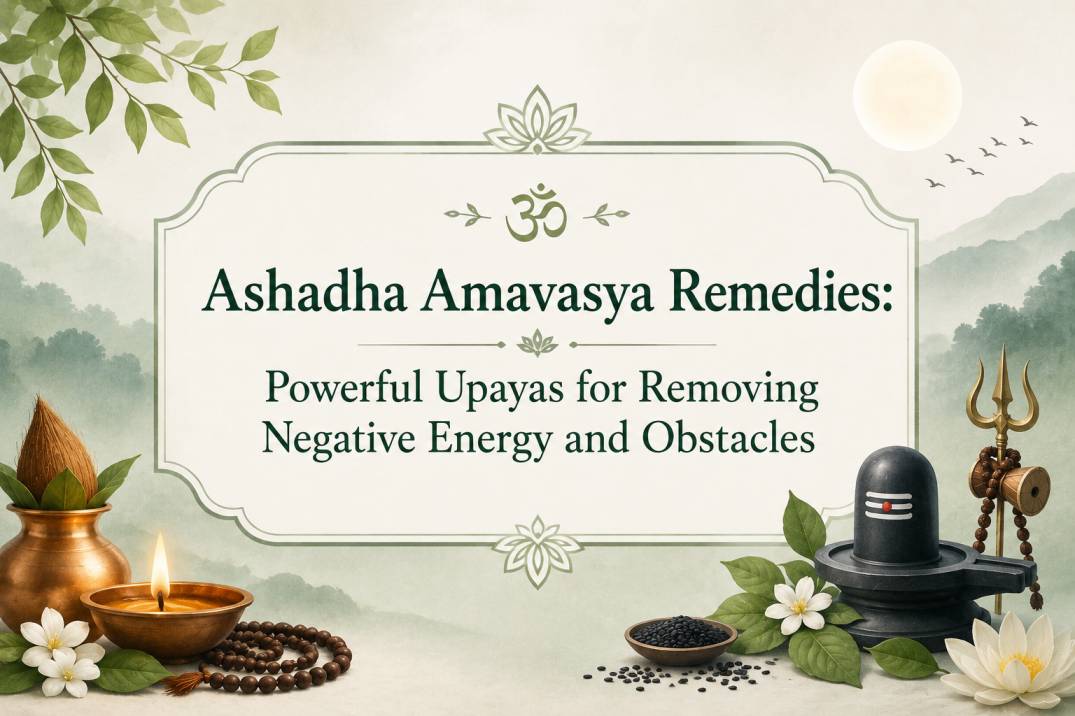
Ashadha Amavasya is one of the most spiritually significant New Moon days in the Hindu calendar. Falling during the month of Ashadha, this Amavasya is traditionally associated with honoring ancestors (Pitru), performing acts of charity, and engaging in spiritual purification. According to Vedic astrology, the absence of the Moon’s visible light symbolizes introspection, karmic cleansing, and the release of negative energies.
Many devotees observe fasting, offer Pitru Tarpan, chant sacred mantras, and perform simple remedies on this day to seek peace, remove obstacles, and invite positive energy into their lives. While these practices are rooted in tradition, they are also viewed as opportunities for self-reflection and mindful living. All rituals and auspicious timings should be observed according to IST (Indian Standard Time) when followed in India.
Astrological Significance of Ashadha Amavasya
In Vedic astrology, the Moon governs the mind, emotions, intuition, and mental stability. During Amavasya, the Sun and Moon are positioned together, symbolizing a fresh lunar cycle and an ideal time for spiritual renewal.
Ashadha Amavasya is especially significant because it precedes the sacred Chaturmas period, when many devotees increase their spiritual practices.
This day is associated with:
- Pitru blessings
- Karmic cleansing
- Mental peace
- Removal of negative thoughts
- Spiritual discipline
- Inner transformation
Why Is Ashadha Amavasya Considered Powerful?
Traditional beliefs suggest that sincere prayers and righteous actions performed on this day help strengthen one’s spiritual connection.
The focus is not merely on rituals but on:
- Gratitude toward ancestors
- Self-discipline
- Charity
- Forgiveness
- Positive thinking
These values are central to both Vedic philosophy and everyday life.
Powerful Ashadha Amavasya Remedies
1. Perform Pitru Tarpan
Offering water mixed with black sesame seeds (Til), barley, and kusa grass is one of the most important rituals of Ashadha Amavasya.
Traditional belief suggests this act expresses gratitude toward ancestors and seeks their blessings for family harmony.
If performed, it should follow proper Vedic procedures or guidance from a knowledgeable priest.
2. Donate Food and Essential Items
Charity is highly recommended on this day.
Suitable donations include:
- Rice
- Black sesame seeds
- Clothing
- Fruits
- Grains
- Cooked meals
- Umbrellas during the monsoon season
Helping those in need is considered one of the most meaningful remedies.
3. Chant Mahamrityunjaya Mantra
One of the most revered Vedic mantras is:
ॐ त्र्यम्बकं यजामहे सुगन्धिं पुष्टिवर्धनम्।
उर्वारुकमिव बन्धनान्मृत्योर्मुक्षीय मामृतात्॥
This mantra is traditionally chanted for inner strength, healing, and overcoming fear.
Devotees may chant it 11, 21, or 108 times with concentration.
4. Light a Sesame Oil Lamp
Lighting a lamp using sesame oil in the evening is a simple spiritual practice.
It symbolizes:
- Removal of darkness
- Inner clarity
- Positive energy
- Respect for ancestors
Offer prayers with sincerity rather than focusing only on the ritual itself.
5. Worship Lord Shiva
Lord Shiva is especially worshipped during Amavasya.
Simple offerings include:
- Water
- Bilva leaves
- White flowers
- Raw milk (where traditionally appropriate)
Chanting “ॐ नमः शिवाय” during meditation is a common practice among devotees.
6. Feed Birds, Cows, and Animals
Acts of compassion are strongly encouraged.
You may offer:
- Grains to birds
- Green fodder to cows
- Food for stray animals
Such actions cultivate kindness and social responsibility.
Planetary Influence on Ashadha Amavasya
Several planets are symbolically associated with the remedies observed on this day.
Moon (Chandra)
Represents:
- Mind
- Emotions
- Mental peace
Strengthening the Moon promotes emotional balance.
Saturn (Shani)
Linked with:
- Karma
- Discipline
- Responsibility
Acts of charity and service are traditionally associated with reducing Saturn-related difficulties.
Ketu
Ketu represents:
- Spiritual growth
- Detachment
- Liberation
Meditation and self-reflection are considered beneficial during its influence.
Zodiac-Wise General Guidance
Although remedies are generally beneficial for everyone, different signs may focus on specific intentions.
- Aries: Practice patience and avoid impulsive decisions.
- Taurus: Donate food and strengthen family relationships.
- Gemini: Focus on communication and meditation.
- Cancer: Perform Moon-related prayers for emotional stability.
- Leo: Offer water to the Sun and practice humility.
- Virgo: Organize your daily routine and avoid overthinking.
- Libra: Pray for relationship harmony.
- Scorpio: Let go of emotional burdens.
- Sagittarius: Study spiritual scriptures.
- Capricorn: Perform charitable acts regularly.
- Aquarius: Spend time in quiet reflection.
- Pisces: Practice gratitude and devotional chanting.
Practical Tips for Ashadha Amavasya
You do not need elaborate rituals to observe the day meaningfully.
Simple practices include:
- Wake up early.
- Maintain cleanliness at home.
- Meditate for 15–20 minutes.
- Avoid unnecessary anger or arguments.
- Spend time remembering departed ancestors.
- Read spiritual literature.
- Practice gratitude.
- Donate according to your capacity.
Common Mistakes to Avoid
Traditional practices also recommend avoiding certain actions.
These include:
- Speaking harshly
- Disrespecting elders
- Wasting food
- Performing rituals without understanding
- Expecting instant results from remedies
Astrology encourages sincerity, patience, and ethical conduct over superstition.
Conclusion
Ashadha Amavasya is a meaningful occasion for spiritual reflection, ancestral remembrance, and positive transformation. Remedies such as Pitru Tarpan, charity, mantra chanting, Shiva worship, and meditation are rooted in long-standing Vedic traditions that encourage gratitude, discipline, and inner peace. Rather than viewing these practices as guaranteed solutions, they are best understood as ways to cultivate mindfulness and strengthen one’s connection with family values and spiritual principles. By observing Ashadha Amavasya with devotion and compassion, individuals can use the day as an opportunity for personal growth and renewed positivity.
FAQs
1. What are the most effective remedies on Ashadha Amavasya?
Pitru Tarpan, charity, Shiva worship, and mantra chanting are among the most commonly recommended remedies.
These practices emphasize gratitude, self-discipline, and spiritual reflection rather than material expectations. Their value lies in cultivating positive habits and honoring tradition.
Helpful practices:
- Donate food or clothing.
- Chant Mahamrityunjaya Mantra.
- Meditate with a calm mind.
2. Can Ashadha Amavasya remove negative energy?
Traditional beliefs associate Ashadha Amavasya with spiritual cleansing and emotional renewal.
While there is no scientific proof that rituals remove negative energy, many people find that prayer, meditation, and acts of kindness promote mental peace and a positive outlook.
Tips:
- Keep your surroundings clean.
- Practice forgiveness.
- Avoid negative thoughts and conflicts.
3. Is fasting necessary on Ashadha Amavasya?
Fasting is optional and depends on individual health, family customs, and spiritual practice.
Some devotees observe a full or partial fast, while others focus on prayer, charity, and meditation. Those with medical conditions should prioritize their health.
Alternative observances:
- Eat sattvic food.
- Spend time in prayer.
- Perform charitable acts.
4. Why is Pitru Tarpan performed on Ashadha Amavasya?
Pitru Tarpan is performed to honor ancestors and seek their blessings according to Hindu tradition.
It expresses gratitude toward previous generations and reinforces the cultural importance of remembering one’s lineage with respect and humility.
Guidelines:
- Follow proper Vedic procedures if possible.
- Perform the ritual with sincerity.
- Consult a knowledgeable priest when needed.
5. Which deity should be worshipped on Ashadha Amavasya?
Lord Shiva is widely worshipped on Ashadha Amavasya, though devotees may also pray to their family deity (Kul Devata).
Shiva worship, mantra chanting, and simple offerings are common practices observed across different regions of India.
Simple worship ideas:
- Chant “Om Namah Shivaya.”
- Offer Bilva leaves and water.
- Meditate quietly and reflect on positive intentions.