A car is more than just a mode of transportation; it represents mobility, convenience, and responsibility. In Vedic traditions, both Vastu Shastra and Vedic Astrology emphasize creating positive energy around the objects we use daily, including vehicles. While road safety primarily depends on careful driving, regular maintenance, and following traffic rules, many people also adopt traditional Vastu practices to cultivate a sense of protection and harmony.
According to astrology, planets like Mars (Mangal), Saturn (Shani), and Rahu influence travel, machinery, and unexpected events. By combining practical vehicle care with simple Vastu principles, individuals believe they can reduce negative influences and promote safer journeys. These practices should be viewed as complementary spiritual traditions rather than substitutes for responsible driving.
How Vastu and Astrology Relate to Vehicle Safety
Vastu Shastra focuses on balancing the five natural elements—Earth, Water, Fire, Air, and Space—to create positive surroundings. Vehicles, being mechanical objects powered by energy, are also believed to benefit from this balance.
In Vedic astrology:
- Mars (Mangal) governs vehicles, machinery, courage, and speed.
- Saturn (Shani) represents discipline, caution, and delays.
- Rahu is linked with unexpected incidents and confusion.
- The Fourth House in a birth chart signifies vehicles and comforts.
- The Third House governs short-distance travel and movement.
A well-balanced horoscope combined with mindful habits is traditionally believed to support safe travel.
Keep Your Vehicle Clean and Clutter-Free
One of the simplest Vastu recommendations is maintaining cleanliness.
A clean vehicle promotes positive energy while reducing distractions during driving.
Avoid keeping:
- Broken accessories
- Empty bottles
- Old receipts and papers
- Torn seat covers
- Damaged idols or religious items
- Unused tools
Regular cleaning also improves visibility, comfort, and overall driving experience.
Place Religious Symbols Respectfully
Many Indian families place small spiritual symbols inside their vehicles.
Popular choices include:
- Om (ॐ)
- Swastik (traditional Hindu symbol of auspiciousness)
- Lord Ganesha idol
- Hanuman image
- Trishul sticker
However, Vastu recommends:
- Keeping idols small and secure.
- Avoiding oversized dashboard decorations.
- Never placing damaged or broken idols.
- Ensuring decorations do not obstruct the driver’s view.
A commonly recited prayer before beginning a journey is:
ॐ गं गणपतये नमः।
This mantra is traditionally chanted to seek Lord Ganesha’s blessings before new beginnings.
Auspicious Direction While Parking
Although practical parking availability comes first, Vastu traditions suggest:
Preferred directions
- East
- North
- North-East (when practical)
These directions are believed to support fresh and positive energy.
If home parking faces another direction, there is no need for concern. Vastu experts generally advise prioritizing safety, legal parking, and convenience over rigid directional rules.
Avoid Keeping Sharp or Unnecessary Objects
Many people unknowingly keep unnecessary metal objects inside their vehicles.
Examples include:
- Rusty tools
- Broken umbrellas
- Damaged electronics
- Unused knives
- Scrap materials
According to Vastu, cluttered metal objects may symbolize stagnant energy.
Keep only essential emergency equipment such as:
- First-aid kit
- Torch
- Tire inflator
- Reflective triangle
- Car documents
Strengthen Mars for Safe Travel
Mars is considered the primary planet associated with vehicles.
If Mars is weak or afflicted in a horoscope, some astrologers recommend simple spiritual remedies.
Traditional remedies include:
- Worship Lord Hanuman on Tuesdays.
- Chant the Hanuman Chalisa regularly.
- Donate red lentils (Masoor Dal).
- Wear clean red clothing on Tuesdays if appropriate.
- Practice patience while driving.
The purpose of these remedies is to encourage discipline, confidence, and balanced energy.
Saturn’s Role in Safe Driving
Saturn teaches patience and responsibility.
An unfavorable Saturn period may coincide with delays, carelessness, or mechanical issues.
Traditional Saturn remedies include:
- Lighting a sesame oil lamp on Saturdays.
- Helping elderly or needy individuals.
- Donating black sesame seeds.
- Avoiding reckless driving.
- Following traffic rules strictly.
These practices reinforce the qualities Saturn symbolizes—discipline and caution.
Perform Vehicle Puja on Auspicious Days
Many people perform a Vehicle Puja after purchasing a new car.
Common occasions include:
- Vijayadashami (Dussehra)
- Akshaya Tritiya
- Ugadi
- Gudi Padwa
- Auspicious Muhurat selected by an astrologer
The ritual usually includes:
- Applying turmeric and kumkum.
- Offering flowers.
- Breaking a coconut (where culturally appropriate and safe).
- Praying for safe journeys.
The exact puja timing should always be followed according to the selected IST (Indian Standard Time) muhurat.
Choose Auspicious Dates for Vehicle Purchase
Astrology also considers favorable timing for purchasing vehicles.
Many astrologers recommend considering:
- Shubh Muhurat
- Favorable Nakshatras
- Waxing Moon phase (Shukla Paksha)
- Strong Fourth House in Muhurat astrology
However, financial readiness and practical considerations remain equally important.
Practical Safety Measures Matter Most
Vastu complements practical responsibility—it does not replace it.
Always remember to:
- Wear seat belts.
- Avoid mobile phone use while driving.
- Follow speed limits.
- Service the vehicle regularly.
- Check tire pressure.
- Replace worn brakes.
- Carry valid insurance.
- Avoid driving when tired.
- Never drive under the influence of alcohol or drugs.
These measures are scientifically proven to improve road safety.
Can Your Horoscope Indicate Travel Risks?
Some astrologers study:
- Mars-Saturn combinations
- Rahu’s influence
- Fourth House afflictions
- Eighth House connections
- Current planetary transits (Gochar)
- Mahadasha and Antardasha periods
These factors are interpreted as indicators of periods requiring extra caution rather than definite predictions of accidents.
Astrology should be used for awareness and preparedness—not fear.
Conclusion
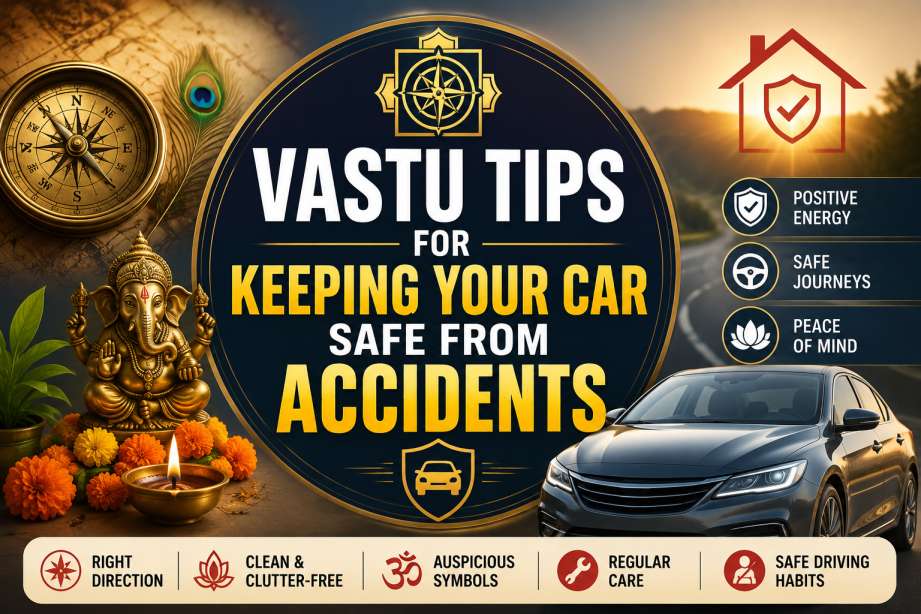
Vastu tips for keeping your car safe from accidents combine traditional wisdom with mindful living. Practices such as keeping the vehicle clean, respecting religious symbols, performing vehicle puja, and following simple astrological remedies can provide psychological comfort and spiritual reassurance for many people.
At the same time, the most effective protection always comes from responsible driving, regular vehicle maintenance, and strict adherence to traffic regulations. When practical safety and traditional beliefs work together, they encourage greater awareness, discipline, and confidence on every journey.
FAQs
1. Can Vastu really prevent car accidents?
No, Vastu cannot guarantee prevention of accidents, but it is traditionally believed to encourage positive energy and mindful habits.
Vastu Shastra is a traditional Indian architectural and spatial science that focuses on harmony rather than certainty. Its recommendations are intended to complement, not replace, practical road safety.
The greatest protection comes from responsible driving, proper vehicle maintenance, and following traffic regulations.
Helpful tips:
- Keep the vehicle clean.
- Service the car regularly.
- Drive within speed limits.
- Follow Vastu practices for personal peace if they align with your beliefs.
2. Which planet is responsible for vehicles in astrology?
Mars (Mangal) is primarily associated with vehicles, machinery, and driving in Vedic astrology.
Mars symbolizes energy, courage, speed, and mechanical objects. Astrologers also consider Saturn, Rahu, and the Fourth House while assessing vehicle-related matters.
A complete horoscope analysis is necessary before drawing any conclusions.
Traditional remedies include:
- Worship Lord Hanuman.
- Chant Hanuman Chalisa.
- Practice calm and patient driving.
- Maintain your vehicle properly.
3. Is placing Lord Ganesha in the car considered good Vastu?
Yes, a small and respectfully placed Lord Ganesha idol is widely regarded as auspicious.
Lord Ganesha is traditionally worshipped as the remover of obstacles, and many people seek His blessings before beginning journeys.
Ensure the idol does not distract the driver or block visibility.
Recommended practices:
- Choose a small idol.
- Keep it clean.
- Replace damaged idols respectfully.
- Avoid excessive dashboard decorations.
4. Which direction is best for parking a car according to Vastu?
East and North are commonly considered favorable directions for parking when practical.
These directions are traditionally associated with positive energy and fresh beginnings. However, safety, legal parking, and convenience should always take priority over directional preferences.
There is no need to make impractical arrangements solely based on Vastu.
Remember:
- Park in well-lit areas.
- Use secure parking spaces.
- Lock the vehicle properly.
- Avoid isolated locations.
5. Should I perform a Vehicle Puja after buying a new car?
Many families perform a Vehicle Puja as a traditional way to seek blessings for safe journeys.
The ritual reflects gratitude and a prayer for protection rather than serving as a guarantee against mishaps. It is often performed on an auspicious date or muhurat.
If you choose to perform one, follow the selected timing in IST (Indian Standard Time) and observe local customs.
The ceremony commonly includes:
- Flowers
- Turmeric and kumkum
- Coconut offering (where appropriate)
- Prayer for safe travels
- Respectful beginning of the vehicle’s use