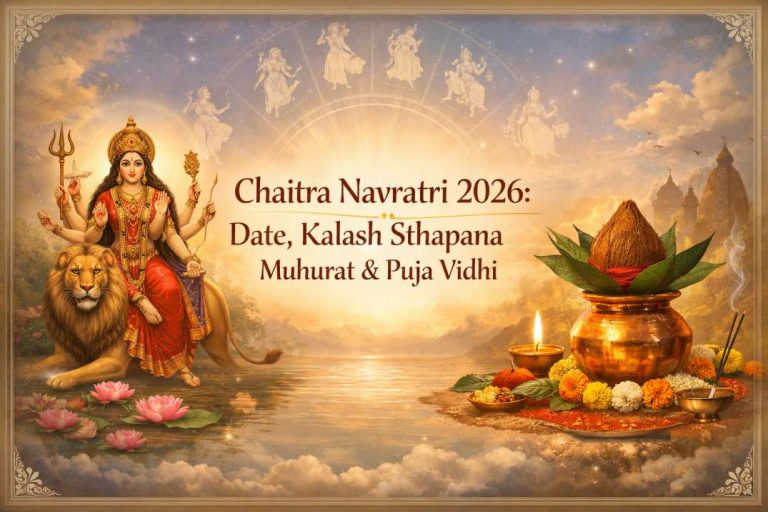

Gudi Padwa is one of the most significant festivals in the Hindu lunar calendar and is widely celebrated in Maharashtra and parts of South India. In 2026, Gudi Padwa falls on March 19, 2026, marking the beginning of the Chaitra month in the Hindu lunisolar calendar. This day is traditionally considered the start of the Hindu New Year according to many regional calendars.
From an astrological perspective, Gudi Padwa coincides with Chaitra Shukla Pratipada, the first day of the waxing Moon in the Chaitra month. This lunar phase represents renewal, growth, and fresh beginnings. In Vedic astrology, the alignment of the Sun, Moon, and seasonal cycles around this time symbolizes the natural start of a new cycle of life and karma.
The festival blends spiritual symbolism, planetary timing, and cultural rituals, making it both astrologically meaningful and deeply relevant to everyday life.
Why Gudi Padwa Marks the Hindu New Year
Chaitra Month and Cosmic Cycles
In the Vedic calendar, the year traditionally begins with the Chaitra month, which usually falls in March or April according to the Gregorian calendar.
Several reasons explain this timing:
- The Sun’s transition toward Aries (Mesha) represents energetic renewal in astrology.
- The Spring season (Vasant Ritu) begins, symbolizing growth and fertility.
- The Moon starts a new waxing phase, indicating expansion and creation.
Ancient Hindu texts such as the Brahma Purana mention that Lord Brahma began creation on Chaitra Shukla Pratipada, giving this day cosmic significance.
A traditional verse often quoted is:
“चैत्रे मासि जगद् ब्रह्मा ससर्ज प्रथमेऽहनि”
(Brahma created the universe on the first day of Chaitra month.)
This belief reinforces why many Hindu traditions treat Gudi Padwa as the beginning of the year.
Astrological Significance of Gudi Padwa
The Role of the Moon in New Beginnings
The festival occurs on Pratipada Tithi, the first lunar day after Amavasya. In Vedic astrology, this phase represents:
- Initiation
- New intentions
- Spiritual growth
A waxing Moon is considered auspicious for starting projects, financial planning, or spiritual practices.
Seasonal Astrology and Solar Energy
Around Gudi Padwa, the Sun moves through Pisces (Meena Rashi) before entering Aries (Mesha Rashi) shortly afterward during the solar new year period.
Astrologically, this transition represents:
- Closure of old karmic cycles
- Preparation for energetic renewal
- Alignment with nature’s rhythm
This is why many astrologers consider this period ideal for:
- Setting yearly goals
- Beginning spiritual practices
- Resetting personal intentions.
Symbolism of the Gudi
The Gudi, a decorated flag-like structure placed outside homes, is the most recognizable symbol of the festival.
It typically includes:
- A bright silk cloth
- Neem leaves
- Sugar garlands
- An inverted copper or silver pot
Spiritual Meaning
Each element represents a deeper symbolic idea:
- Cloth: Victory and prosperity
- Neem leaves: Health and purification
- Pot (Kalash): Divine energy and abundance
- Sugar garlands: Sweetness in life
From an astrological perspective, raising the Gudi symbolizes inviting positive planetary energies into the home.
Rituals Practiced on Gudi Padwa
Morning Spiritual Routine
Most households follow a structured ritual sequence:
- Wake up early during Brahma Muhurta (around 4:30–5:30 AM IST).
- Take a traditional oil bath.
- Decorate the entrance with rangoli.
- Raise the Gudi facing east to welcome sunlight.
Facing east symbolically invites solar energy, which represents vitality and spiritual awareness in astrology.
Eating Neem and Jaggery
One of the unique rituals is consuming a mixture of:
- Neem leaves
- Jaggery
- Tamarind
- Pepper
- Raw mango
This combination symbolizes the different flavors of life – joy, sorrow, success, and challenges.
Astrologically, the practice reminds people that life cycles change just like planetary periods (dashas).
Astrological Remedies for Gudi Padwa
Gudi Padwa is considered highly favorable for performing simple spiritual remedies.
Suggested Practices
- Sun Offering (Surya Arghya)
Offer water to the rising Sun to strengthen solar energy. - Charity (Daan)
Donate food, clothes, or grains to balance planetary karma. - Neem Consumption
Eating neem is believed to purify the body and symbolically remove negative energies. - New Beginnings
Start new ventures, financial planning, or learning activities. - Home Cleansing
Cleaning and decorating the house helps reset the energetic environment.
These practices are aligned with traditional astrology principles that emphasize harmonizing human life with cosmic cycles.
Cultural Importance Across India
While Gudi Padwa is primarily celebrated in Maharashtra, similar New Year festivals occur across India around the same time:
- Ugadi in Karnataka and Andhra Pradesh
- Cheti Chand in Sindhi communities
- Navreh in Kashmir
These festivals reflect a shared belief that spring marks the true beginning of a new cycle.
This seasonal alignment shows how ancient calendars were closely tied to astronomy and agriculture.
Practical Relevance in Modern Life
Even in contemporary times, Gudi Padwa carries practical relevance.
Many people use this day to:
- Review personal goals
- Begin new financial planning
- Start spiritual routines
- Strengthen family traditions
In astrology, starting something during a positive lunar phase is believed to increase motivation and psychological clarity.
Thus, the festival becomes a symbolic reset button for the year ahead.
Conclusion
Gudi Padwa represents far more than a regional festival. It reflects the deep connection between cosmic cycles, seasonal change, and human life in Vedic tradition. By marking Chaitra Shukla Pratipada, the day signifies the beginning of a new lunar cycle, spiritual renewal, and fresh opportunities.
Astrologically, the period around Gudi Padwa supports reflection, goal setting, and positive transformation. Simple rituals such as raising the Gudi, offering prayers to the Sun, and practicing charity reinforce the idea of aligning personal life with nature’s rhythms.
As the Hindu New Year begins, the festival encourages people to embrace new beginnings with clarity, gratitude, and balanced intentions.
FAQs
1. Why is Gudi Padwa considered the Hindu New Year?
Gudi Padwa is considered the Hindu New Year because it falls on Chaitra Shukla Pratipada, the first day of the lunar month of Chaitra.
In traditional Hindu calendars, this day marks the beginning of a new yearly cycle linked to lunar and seasonal changes. Ancient texts also associate the day with the start of cosmic creation by Lord Brahma.
Helpful practices include:
- Setting yearly goals
- Performing household purification rituals
- Beginning new spiritual routines
2. What is the astrological significance of Gudi Padwa?
Astrologically, Gudi Padwa represents the start of a new lunar cycle and seasonal transition.
The waxing Moon phase symbolizes growth and expansion, making the day favorable for starting new activities or making important decisions.
Suggested actions:
- Offer water to the Sun
- Meditate or set intentions
- Begin long-term plans or projects
3. Why is neem eaten on Gudi Padwa?
Eating neem symbolizes accepting both sweetness and bitterness in life.
The mixture of neem and jaggery reflects the belief that life includes different emotional experiences, just like planetary cycles bring different phases.
Benefits include:
- Symbolic purification
- Traditional seasonal health practice
- Cultural reminder of resilience
4. What does the Gudi symbolize?
The Gudi symbolizes victory, prosperity, and divine blessings.
It is raised outside homes as a sign of welcoming positive energy and celebrating success over negativity.
Symbolic meanings include:
- Pot (Kalash): divine power
- Cloth: victory and success
- Neem leaves: purification
5. Is Gudi Padwa a good day to start new work?
Yes, Gudi Padwa is considered an auspicious day to begin new activities.
The waxing Moon phase and seasonal renewal create a symbolic environment of growth and opportunity in astrology.
Common activities started on this day include:
- Business ventures
- Financial planning
- Learning new skills
- Spiritual practices
These actions align with the broader theme of fresh beginnings and renewal.