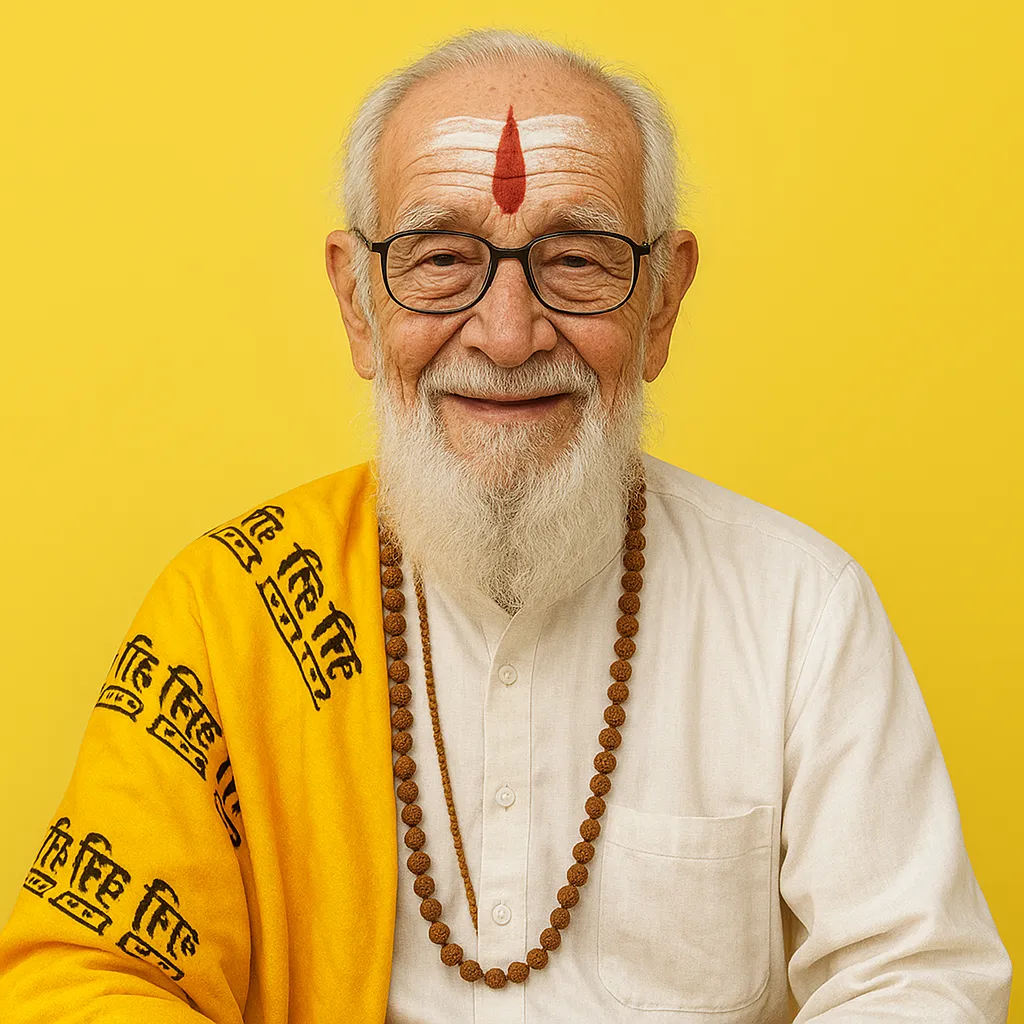

Jaya Ekadashi is an important fasting day in the Hindu lunar calendar, observed on the Shukla Paksha Ekadashi of Magha month. In Vedic astrology and spiritual practice, Ekadashi is considered a powerful day for cleansing the mind, balancing planetary energies, and aligning personal actions with dharma. Among all Ekadashis, Jaya Ekadashi is associated with victory over inner weaknesses, emotional burdens, and career-related obstacles.
From an astrological perspective, Ekadashi falls under the influence of Vishnu tattva, which governs preservation, stability, and clarity. Observing Jaya Ekadashi with the right remedies is believed to help individuals facing professional stagnation, relationship misunderstandings, or mental restlessness. Rather than focusing on superstition, these practices emphasize discipline, intention, and mindful living- principles deeply rooted in Indian culture and Vedic wisdom.
Astrological Significance of Jaya Ekadashi
Planetary and Lunar Influence
Jaya Ekadashi occurs during the waxing Moon, a phase associated with growth and constructive action. In astrology:
- The Moon represents mind, emotions, and mental peace
- Jupiter (Guru) signifies wisdom, career guidance, and ethical growth
- Venus (Shukra) relates to love, harmony, and relationships
Ekadashi fasting is traditionally believed to calm lunar imbalances and strengthen Jupiterian qualities like clarity, patience, and purpose.
Relevant Houses in Astrology
- 10th House: Career, reputation, and authority
- 7th House: Marriage, partnerships, and love
- 4th House: Mental peace, emotional security, and inner comfort
Remedies performed on Jaya Ekadashi symbolically aim to purify these life areas through discipline and devotion.
Things to Do on Jaya Ekadashi for Career Growth
1. Observe a Simple Ekadashi Vrat
Fasting on Jaya Ekadashi is less about denial and more about awareness.
- Avoid grains and heavy foods
- Consume fruits, milk, and water if needed
- Maintain a calm routine throughout the day
This practice is traditionally linked to improving focus and reducing impulsive career decisions.
2. Vishnu Mantra Chanting (Morning, after 6:00 AM IST)
Chanting Vishnu-related mantras helps align intentions with long-term goals.
A commonly recited mantra is:
“ॐ नमो भगवते वासुदेवाय”
Chanting 108 times is considered ideal, though consistency matters more than count.
3. Donate Yellow Items
On Jaya Ekadashi, donating items associated with Jupiter is culturally significant:
- Yellow pulses (chana dal)
- Turmeric
- Bananas or sweets made without grains
Donation before sunset (around 6:30 PM IST) is traditionally recommended.
Jaya Ekadashi Remedies for Love & Relationships
1. Practise Silence and Mindful Speech
Ekadashi is ideal for reducing emotional reactivity.
- Avoid arguments or harsh words
- Reflect before responding in personal matters
Astrologically, this helps stabilize Venus and Moon energies.
2. Evening Prayer for Relationship Harmony (After 7:00 PM IST)
Lighting a ghee lamp in the evening and offering prayers to Vishnu and Lakshmi symbolizes balance between duty and affection.
A traditional reference often shared is:
“सर्वे भवन्तु सुखिनः”
– expressing universal well-being and harmony.
3. Acts of Kindness Toward Partner or Family
Rather than rituals alone, simple gestures; listening patiently, offering help, or expressing gratitude are considered practical remedies aligned with Ekadashi’s essence.
Remedies for Mental Peace and Emotional Balance
1. Digital Detox for the Day
Limiting social media and news consumption on Jaya Ekadashi helps reduce mental clutter, especially for those prone to anxiety or overthinking.
2. Meditation During Moonrise
Spending 10–15 minutes in silent meditation after moonrise (approx. 7:30–8:30 PM IST, depending on location) supports emotional grounding.
Focus on slow breathing and steady awareness rather than complex techniques.
3. Reading or Listening to Spiritual Texts
Listening to Vishnu Sahasranama or reading a few verses from the Bhagavad Gita encourages introspection and calm thinking.
What to Avoid on Jaya Ekadashi
- Consuming grains or alcohol
- Making impulsive financial or emotional decisions
- Excessive physical or mental exertion
These guidelines are meant to support self-regulation, not fear.
Conclusion
Jaya Ekadashi is best understood as a day of intentional living rather than rigid ritualism. Astrologically, it supports clarity of mind, disciplined action, and emotional balance, qualities essential for career growth, healthy relationships, and inner peace. Simple fasting, mindful speech, charitable acts, and quiet reflection can create meaningful shifts when practiced with sincerity.
Instead of expecting immediate results, Jaya Ekadashi invites long-term alignment with personal values and goals. Observed thoughtfully, it becomes a cultural and spiritual pause that helps reset priorities in an increasingly fast-paced life.
FAQs
1. What is the main benefit of Jaya Ekadashi?
Jaya Ekadashi primarily supports mental clarity and self-discipline.
By aligning daily habits with spiritual awareness, individuals often experience better emotional control and decision-making.
Tip: Keep the day simple and distraction-free for maximum benefit.
2. Can Jaya Ekadashi help with career problems?
Yes, it is traditionally linked to removing professional obstacles.
Fasting and prayer promote patience and strategic thinking, which are essential for career stability.
Remedy: Chant Vishnu mantras and donate yellow items.
3. Is fasting compulsory on Jaya Ekadashi?
No, fasting is optional and can be modified.
The intention behind restraint matters more than strict rules.
Option: Follow a fruit-based or light diet instead of a complete fast.
4. How does Jaya Ekadashi affect relationships?
It encourages emotional balance and mindful communication.
By reducing ego-driven reactions, relationships can feel calmer and more respectful.
Practice: Avoid arguments and express gratitude.
5. Can students or working professionals observe Jaya Ekadashi?
Yes, with practical adjustments.
The observance can be adapted without affecting daily responsibilities.
Suggestion: Focus on mental discipline, light food, and evening reflection.