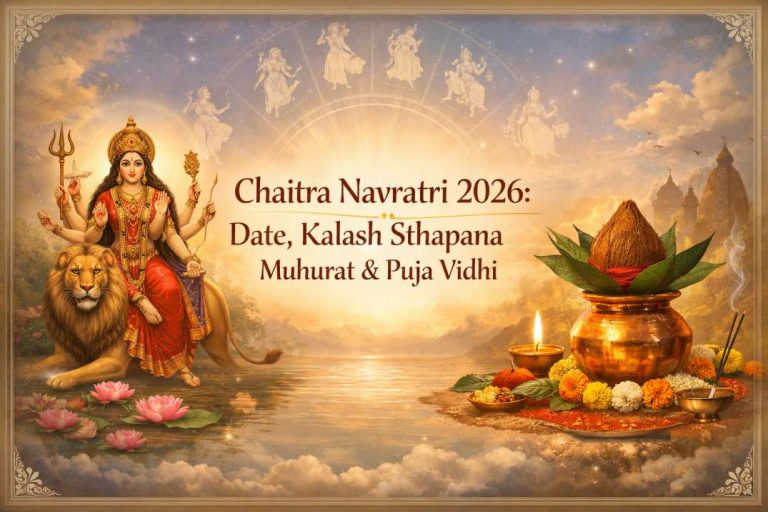

Masik Shivaratri is a monthly sacred observance dedicated to the worship of Lord Shiva. It occurs every month on the Krishna Paksha Chaturdashi (14th lunar day of the waning Moon). Devotees believe this night carries powerful spiritual vibrations that support meditation, prayer, and inner purification.
In March 2026, Masik Shivaratri falls on Tuesday, 17 March 2026 in India. According to the Hindu Panchang, the Krishna Chaturdashi Tithi begins at 09:23 AM on 17 March and ends at 08:25 AM on 18 March (IST).
For practitioners of Vedic astrology and spiritual disciplines, this monthly observance is considered a time to balance inner energies and reduce negative karmic influences. By performing Shiva puja, fasting, and mantra chanting, devotees aim to cultivate clarity, discipline, and spiritual awareness.
Date and Puja Timing for Masik Shivaratri March 2026
Key Panchang Details (IST)
- Masik Shivaratri Date: Tuesday, 17 March 2026
- Tithi Begins: 17 March 2026 – 09:23 AM
- Tithi Ends: 18 March 2026 – 08:25 AM
- Best Time for Night Puja: Late evening to midnight during the Chaturdashi night
Since Shivaratri worship traditionally takes place during the night, devotees usually perform puja between sunset and midnight, when the spiritual energy associated with Shiva is believed to be most supportive for meditation and mantra chanting.
Astrological Significance of Masik Shivaratri
Lunar Energy and Inner Transformation
Masik Shivaratri occurs during the waning Moon phase, when lunar energy gradually decreases. In Vedic astrology, this period encourages:
- Introspection
- Emotional cleansing
- Spiritual discipline
The Moon represents the mind, and the Chaturdashi phase symbolizes a stage where the mind becomes quieter. This is why meditation, mantra chanting, and silence are emphasized on this night.
Many spiritual traditions describe Shiva as the symbol of pure consciousness. Worship on Shivaratri aligns the mind with higher awareness and helps reduce mental agitation.
Planetary Influences Around March 2026
Astrologically, March often marks transitions in planetary movements that affect emotional and spiritual awareness. During this period:
- Solar energy moves toward Pisces, a spiritual and introspective sign.
- Lunar phases near Amavasya encourage inner reflection.
- Devotional practices help stabilize emotional fluctuations.
Masik Shivaratri therefore acts as a monthly spiritual reset, helping practitioners manage stress, anxiety, and negative thought patterns.
Puja Vidhi for Masik Shivaratri
Performing Shiva worship does not require elaborate rituals. Simple devotion and sincerity are considered most important.
Basic Puja Steps
- Take a bath and wear clean clothes.
- Visit a Shiva temple or prepare a small altar at home.
- Offer water or milk to the Shiva Lingam.
- Offer bilva leaves, white flowers, and sandalwood paste.
- Chant the mantra:
“ॐ नमः शिवाय”
This five-syllable mantra is widely regarded as the most powerful Shiva mantra.
Common Offerings in Shiva Puja
- Bilva (Bel) leaves
- Water or Ganga jal
- Milk or Panchamrit
- White flowers
- Bhasma or vibhuti
According to traditional texts, these offerings symbolize purification of the five elements of nature.
Benefits of Observing Masik Shivaratri Vrat
While interpretations may vary across traditions, several spiritual and psychological benefits are commonly associated with the fast and worship.
1. Mental Clarity
Fasting and meditation can calm the nervous system and reduce emotional turbulence.
2. Spiritual Discipline
Regular monthly observance helps cultivate consistency in prayer and mindfulness.
3. Emotional Healing
Shiva worship is traditionally associated with releasing anger, fear, and attachment.
4. Karmic Balance
Many scriptures state that sincere worship helps reduce the effects of past karmic actions.
5. Focus and Self-Control
The vrat encourages restraint, simplicity, and awareness.
Simple Astrological Remedies on Masik Shivaratri
Many astrologers recommend certain remedies on this day to balance planetary energies.
Recommended Practices
- Chant 108 repetitions of “Om Namah Shivaya”.
- Offer water to a Shiva Lingam.
- Perform Rudra Abhishek if possible.
- Meditate for at least 15 minutes before sleeping.
- Donate food or clothes to the needy.
These practices are believed to strengthen positive energies and reduce the effects of stress or negative planetary influences.
Conclusion
Masik Shivaratri in March 2026 (17 March) offers a meaningful opportunity for spiritual reflection and discipline. Occurring on the Krishna Chaturdashi night, this monthly observance encourages devotees to slow down, introspect, and reconnect with higher consciousness.
From an astrological perspective, the combination of the waning Moon and devotional practices can help calm the mind and improve emotional balance. Whether one follows elaborate rituals or simply chants a mantra quietly, the essence of Shivaratri lies in awareness, simplicity, and inner transformation.
Observing Masik Shivaratri regularly can gradually build spiritual stability and mindfulness in daily life.
FAQs
1. When is Masik Shivaratri in March 2026?
Masik Shivaratri will be observed on Tuesday, 17 March 2026 in India.
The Krishna Chaturdashi Tithi starts at 09:23 AM on 17 March and ends at 08:25 AM on 18 March (IST). Worship is traditionally performed during the night of the 17th.
Helpful Tips
- Perform puja after sunset.
- Chant “Om Namah Shivaya”.
- Maintain a simple fast if possible.
2. Why is Masik Shivaratri celebrated every month?
Masik Shivaratri is observed monthly to honor Shiva on the Krishna Paksha Chaturdashi, the night believed to support spiritual awakening.
According to traditional texts, Shiva represents pure consciousness and transformation. Observing this vrat each month helps practitioners maintain spiritual discipline.
Common practices include:
- Night meditation
- Shiva mantra chanting
- Offering water and bilva leaves
3. What should be offered to Shiva on Masik Shivaratri?
The most common offerings include water, milk, bilva leaves, white flowers, and sandalwood paste.
These offerings symbolically represent purification and devotion. The bilva leaf in particular is considered sacred in Shiva worship.
Suggested offerings
- Bilva leaves
- Panchamrit
- White flowers
- Ganga jal
4. Can Masik Shivaratri vrat improve mental peace?
Yes, many devotees observe the vrat as a practice to cultivate inner calm and emotional stability.
Fasting combined with meditation and mantra chanting can encourage mindfulness and reduce stress.
Helpful practices
- Silent meditation
- Slow breathing exercises
- Repetition of Shiva mantras
5. Is Masik Shivaratri different from Maha Shivaratri?
Yes. Masik Shivaratri occurs every month, while Maha Shivaratri is the annual grand festival dedicated to Shiva.
Maha Shivaratri is considered the most spiritually powerful Shivaratri of the year and is celebrated with larger rituals and night-long worship.
Key difference
- Masik Shivaratri – monthly observance
- Maha Shivaratri – annual major festival