
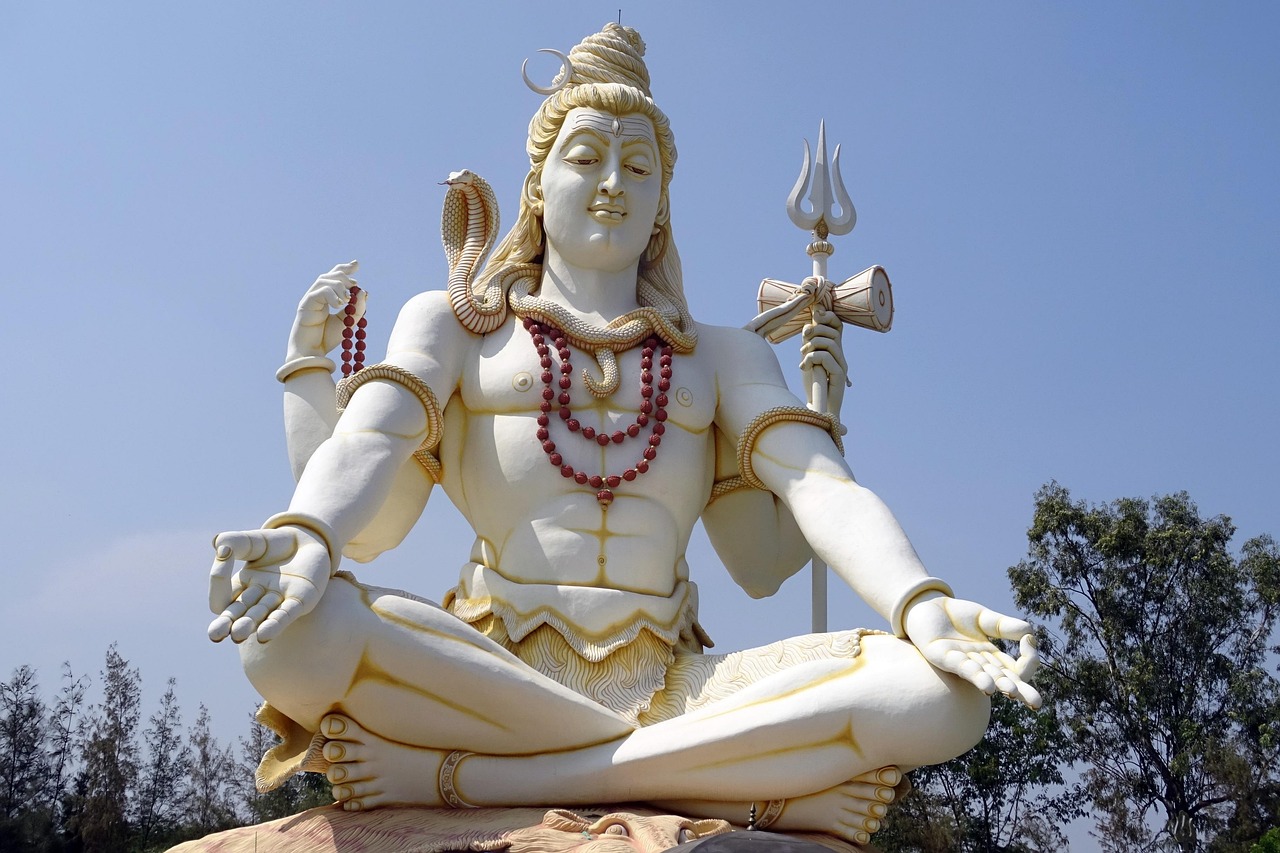
Nag Panchami is one of the most spiritually rich and astrologically significant festivals in Hindu tradition. Falling in the month of Shravana, Nag Panchami is observed to honor serpent deities, especially Sheshnag, Vasuki, and Takshak. In 2025, Nag Panchami will be celebrated on Tuesday, July 29, 2025, during the Shukla Paksha Panchami Tithi, from 05:41 AM to 08:23 AM IST (best time for worship).
But why do we worship snakes, creatures that usually evoke fear? What is the deeper spiritual and astrological meaning behind this tradition? Let’s explore and understand in depth.
The Spiritual & Astrological Significance of Nag Panchami
Why Snakes Are Worshipped in Hindu Tradition
In Indian scriptures, snakes (Nāgas) symbolize the following:
- Kundalini Shakti (inner spiritual power)
- Protection and guardianship
- Cycles of rebirth and karmic cleansing
- Cosmic balance and fertility
They are not merely physical creatures but metaphysical symbols. The famous line from the scriptures- “अनन्तस्य शेषस्य भूधराधारिणः”– reminds us that Ananta Shesha upholds the cosmos itself.
Worshipping Nagas on this day is believed to harmonize subconscious energies and reduce afflictions associated with serpent-related karmas.
Astrological Connection: Nag Panchami & Planetary Energies
1. Association with Rahu, Ketu & the Shadow Planets
Snakes are symbolically linked with Rahu and Ketu, the lunar nodes that govern:
- Past-life karmas
- Sudden events
- Hidden fears or desires
- Transformation and spiritual awakening
Nag Panchami is considered an auspicious day for pacifying Rahu-Ketu influences. Those experiencing Kaal Sarp Dosha, Naga Dosha, or Pitra-related imbalances often perform remedies on this day.
2. Connection with the 8th House (Ayush, Transformation, Secrets)
The 8th house is strongly associated with serpent energy. It governs:
- Sudden changes
- Mysteries and occult
- Deep psychological patterns
- Hidden traumas
Prayers offered to Nāgas symbolically cleanse the 8th-house energies, reducing internal turmoil.
3. Importance During Shravan Month
Shravan is ruled by the Moon, and serpents are spiritually linked with lunar intuition and emotional cycles. Worship during this month strengthens:
- Emotional peace
- Intuition
- Stability
- Mental clarity
It helps reduce Moon afflictions like anxiety, fear, or restlessness.
Rituals
Traditionally, devotees visit Nag temples, anthills, or Shiva temples and offer:
- Milk (or alternatives like water, ghee, raw turmeric, ideal for sustainability)
- Akshat (rice)
- Bilva leaves
- Flowers
- Naivedya
Chanting of the mantra “ॐ नमो नागदेवाय” or “ॐ नागाय नमः” is believed to calm shadow planet influences.
Practical Astrological Remedies on Nag Panchami
1. For Rahu-Ketu Balance
- Chant “Om Raam Rahave Namah” and “Om Kem Ketave Namah” 108 times.
- Donate black sesame seeds, coconut, or urad dal.
2. For Kaal Sarp or Naga Dosha
- Offer raw turmeric (haldi) to a snake idol.
- Perform Rudrabhishek at a Shiva temple.
- Avoid unnecessary anger or heated arguments.
3. For Emotional Healing (Moon-related issues)
- Meditate for 15 minutes focusing on the breath.
- Drink water infused with tulsi or cardamom for mental balance.
- Recite: “ॐ सोमाय नमः”.
4. For 8th-House Imbalances
- Clean your personal space, clutter symbolizes stuck energy.
- Practice grounding activities like walking barefoot on grass.
- Offer prayers for ancestors (Pitru shanti).
5. For Career Blockages Due to Shadow Planets
- Light a sesame oil lamp in the evening.
- Feed birds, particularly crows, for karmic lightening.
- Avoid gossip or negative speech.
Cultural Relevance: What Snake Worship Teaches Us Today
In a modern lifestyle filled with constant stimulation, fears, and emotional triggers, Nāgas represent:
- Facing inner fears courageously
- Balancing instinct with intuition
- Letting go of old identities
- Embracing transformation with awareness
Their symbolism teaches that suppressed emotions act like “inner serpents” and must be acknowledged to achieve inner harmony.
Conclusion
Nag Panchami 2025 is more than a traditional ritual, it is a spiritually meaningful opportunity to balance emotional, karmic, and psychological energies. Through simple practices like chanting, mindful offerings, and self-reflection, one can reduce the influence of Rahu-Ketu, stabilize the Moon, and align with deeper inner wisdom. The festival encourages protecting nature, respecting all life forms, and embracing transformation with grace.
Use this day as a gentle reminder to heal, recharge, and connect with your spiritual self.
FAQs
1. Why do we worship snakes on Nag Panchami?
We worship snakes because they symbolize protection, transformation, and karmic cleansing.
Traditional texts associate Nāgas with Kundalini energy, guarding nature, and balancing shadow planets like Rahu-Ketu.
Tip: Chant “Om Namo Nagadevaya” and offer turmeric for harmony.
2. Is Nag Panchami good for reducing Rahu-Ketu Dosha?
Yes, it is considered one of the best days for pacifying Rahu-Ketu influences.
The symbolism of snakes aligns with the energy of the lunar nodes, helping release past karmas and subconscious fears.
Remedies: Donate black sesame, avoid conflicts, and chant planetary mantras.
3. Can I do Nag Panchami puja at home?
Yes, a simple puja at home is considered auspicious.
You can offer milk alternatives, flowers, turmeric, and recite snake or Shiva mantras during the morning hours.
Checklist: Clean space, light a lamp, offer flowers, chant mantras.
4. Does Nag Panchami help with Kaal Sarp Dosha?
It can help reduce its emotional and psychological impact.
While no single ritual “removes” doshas entirely, spiritual practices on this day support balance and clarity.
Try: Rudrabhishek, offering turmeric, and meditation.
5. What should I avoid on Nag Panchami?
Avoid harming snakes, digging anthills, or engaging in heated arguments.
The day is meant for sattvic behavior, gratitude, and emotional balance.
Avoid List: Arguments, consuming meat, heavy negativity, or disrespecting nature.