Paush Purnima is the full moon day (Purnima) in the Paush month of the Hindu calendar, marking a sacred time for devotion, holy baths (snan), and spiritual discipline. In 2026, this auspicious day falls in early January, ushering in the holy period of Magh Snan and spiritual renewal according to Vedic traditions. Observances like fasting, charity, and moon worship are believed to cleanse the mind and body, inviting peace and clarity into daily life. The festival has deep roots in Indian culture, blending astrology with practical ideals of discipline and compassion suitable for devotees across zodiac signs and life stages.
Paush Purnima 2026: Date & Timing (IST)
According to traditional panchang calculations:
- Purnima Tithi Begins: 02 January 2026 at 6:53 PM IST
- Purnima Tithi Ends: 03 January 2026 at 3:32 PM IST
- Celebrated On: Saturday, 3 January 2026 (based on sunrise timing)
This timing determines when fasts begin and end, especially if following the udayatat rule (which gives importance to sunrise presence of tithi).
Astrological Significance
In Vedic astrology, the full moon on Paush Purnima symbolizes the peak of lunar energy, balancing emotional and mental aspects of life. Moon (Chandra) rules the mind and intuition; thus, its full phase reflects emotional clarity and inner equilibrium. While there’s no specific “yoga” tied exclusively to this date, full moon days are traditionally considered potent for spiritual practices like meditation, chanting, and introspection.
From the perspective of zodiac signs:
- Cancer, Taurus & Pisces: Moon-ruled or moon-friendly signs may feel more reflective and calm.
- Capricorn & Saturn-ruled signs: The festival’s timing in Paush (a winter month) aligns with themes of discipline and long-term goals.
Astrologically, observing the fast with sincere intention is thought to support mental calm and resilience during the year ahead.
Puja Vidhi (Ritual Procedure)
Preparations (Pre-Dawn)
- Wake up early, ideally during Brahma Muhurta (approx. 4:00–6:00 AM IST).
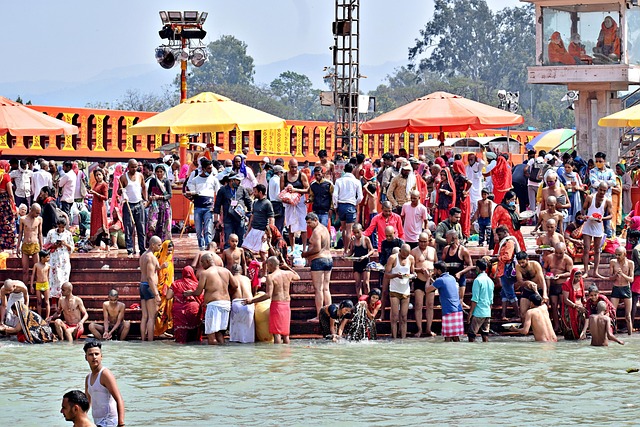
- Take a purifying bath, preferably in a sacred river like the Ganga or Yamuna, or at home with Ganga jal added to water.
- Clean and decorate the prayer area with flowers, tulsi, and a diya (lamp).
Main Puja Steps
- Establish the Deities: Place images/idols of Lord Vishnu and Goddess Shakambari or the Moon (Chandra Dev) at the altar.
- Chant Mantras: Recite peaceful mantras such as ॐ नमो भगवते वासुदेवाय 108 times to invoke inner peace.
- Offerings:
- Water or milk to the Sun (Surya Dev) and Moon (Chandra Dev).
- Tulsi leaves, fruits, and sesame seeds (til) as symbolic purity offerings.
- Light a ghee lamp in the evening or at dusk.
- Charity & Sharing: Donate food, blankets, or grains to those in need.
After the puja, breaking the fast (if observed) is usually done after worshipping the rising moon.
Fasting Rules (Vrat Niyam)
Devotees may choose either:
- Complete Fast (Nirjala): No food or water throughout the day until moon worship.
- Partial Fast: Consumption of fruits, milk, and water only (phalahar).
General Guidelines:
- Avoid grains, pulses, onions, garlic, and non-vegetarian food on the day.
- Maintain a calm, reflective routine with prayer and light reading of scriptures.
Practical Remedies & Cultural Tips
- Moon Worship: Chant mantras during moonrise for enhanced emotional balance.
- Tulsi & Lamps: Lighting a tulsi lamp in the evening is considered auspicious for household harmony.
- Satyanarayan Puja: Performing this ritual can support peace and prosperity in the family.
These rituals encourage mindful living and emphasize inner discipline, a core principle of Hindu festivals.
Hidden Benefits of Observing Paush Purnima
While documented primarily in traditional sources, the observance is associated with:
- Mental & Emotional Clarity: Lunar energy at full phase may support calmness and introspection.
- Spiritual Discipline: Fasting and prayer cultivate self-control and focus.
- Purification & Compassion: Charity (daan) and holy bathing symbolize letting go of past wounds.
- Community Bonding: Group prayers and river gatherings strengthen cultural ties.
These benefits reflect both spiritual tradition and psychological well-being when practiced thoughtfully.
Conclusion
Paush Purnima 2026 on 3 January is a spiritually enriching day that blends devotion, self-discipline, and mindfulness. Whether observing a fast, performing the puja vidhi, or simply engaging in charitable acts, this day offers an opportunity to recalibrate your inner life as the new year unfolds. Embrace the rituals with sincerity and reflect on personal growth, peace, and clarity for the months ahead.
Celebrate with devotion, and let the full moon inspire deeper self-understanding.
FAQs
1. What is Paush Purnima Vrat?
One-sentence answer: Paush Purnima Vrat is a Hindu fast observed on the full moon day of the Paush month to promote spiritual purity and peace.
This vrat emphasizes devotion (bhakti), fasting (vrat), and charity, believed to clarify the mind and cleanse emotions. Devotees often combine it with holy river bathing and temple worship.
Tips:
- Fast with focus on intention.
- Offer charity in the morning.
2. When should I start and end the fast?
One-sentence answer: The fast typically starts at sunrise and ends after moon worship on Paush Purnima day.
While timings are based on local sunrise and moonrise, many begin before dawn and conclude after evening rituals; especially after Chandra puja.
Remedies:
- Drink only water or fruits if doing phalahar.
- Break the fast with simple, sattvic food.
3. Can I take a holy bath at home?
One-sentence answer: Yes, if a sacred river isn’t accessible, a home bath with Ganga jal and turmeric can be spiritually meaningful.
Adding tulsi or chanting mantras during the bath enhances the ritual’s intent and inner focus.
Tips:
- Use clean water with a pinch of Ganga jal.
- Chant Om Namo Bhagavate Vasudevaya.
4. Is charity important on Paush Purnima?
One-sentence answer: Yes, daan (charity) is recommended, as giving is believed to amplify spiritual merit.
Traditional texts link charity on full moon days with compassion and purification, supporting both giver and receiver.
Remedies:
- Donate grains, blankets, or food early in the day.
5. What are simple mantras for this day?
One-sentence answer: Start with ॐ नमो भगवते वासुदेवाय and ॐ ह्रीं सूर्याय नमः to invoke peace and balance.
Chanting 108 repetitions creates rhythmic focus, enhancing meditation and calm.
Practice:
- Use a mala (prayer beads) for counting.
- Chant during moonrise for best results.