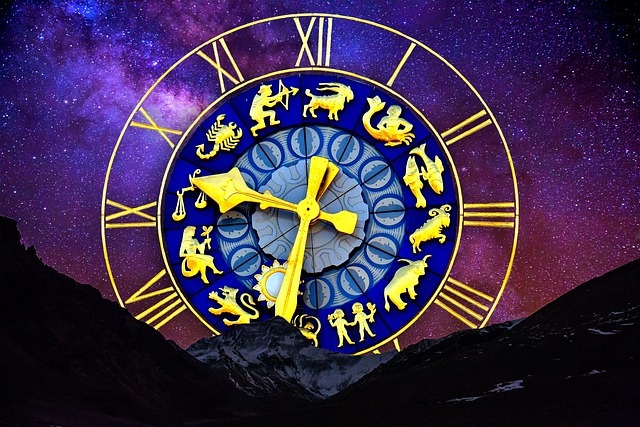
Astrology has been part of Indian culture for thousands of years. From checking muhurat timings to matching kundlis before marriage, many people rely on astrological guidance in daily life. Yet, there are important truths that are rarely discussed openly. What most astrologers won’t tell you is not hidden knowledge, but nuanced reality; how astrology actually works, where its limits lie, and how personal effort plays a crucial role.
In Vedic astrology (Jyotish Shastra), planets indicate tendencies and timing, not fixed fate. Misunderstanding this creates fear, dependency, or unrealistic expectations. This article explains lesser-known astrological facts with clarity, logic, and cultural relevance, helping you use astrology as a guidance tool, not a source of anxiety.
The Core Truth: Astrology Shows Possibility, Not Certainty
Most astrologers focus on predictions, but classical texts like Brihat Parashara Hora Shastra emphasize probability and karma, not absolute outcomes.
Key Insight
Planets indicate what can happen, not what must happen.
For example:
- A strong Saturn may indicate delay, but also discipline and long-term success.
- A weak Moon may show emotional sensitivity, not permanent mental weakness.
Your actions, mindset, and environment decide how planetary energies manifest.
Why Timing (Dasha & Transit) Matters More Than Your Zodiac Sign
Many people only know their Sun sign, but astrology works on deeper layers.
What Most Astrologers Won’t Tell You
- Mahadasha and Antardasha have more impact than daily horoscopes.
- A good planet in dasha can activate even an average kundli.
- A challenging dasha doesn’t mean failure, it demands patience and strategy.
Planetary transits (Gochar) operate in real-time, and their effects are felt most during specific dashas. For accuracy, predictions should always consider IST-based planetary positions, not generic global charts.
Remedies Are Not Magic Fixes
Astrological remedies are widely prescribed, but their purpose is often misunderstood.
The Real Logic Behind Remedies
Remedies work by:
- Improving focus and discipline
- Strengthening positive habits
- Creating psychological alignment with planetary qualities
A famous shloka explains intention over ritual:
“श्रद्धावान् लभते ज्ञानम्”
(One who has faith and awareness gains wisdom.)
Practical Reality
- Wearing gemstones without proper analysis can backfire.
- Mantras work best when combined with right action.
- Charity (daan) reduces karmic burden more effectively than expensive rituals.
Free Will Exists, But Within a Framework
One uncomfortable truth: astrology does not remove responsibility.
How Free Will Works in Astrology
Think of your kundli as a map, not a prison.
- Planets show terrain (challenges and opportunities).
- You choose speed, direction, and stops.
Example:
- Mars may show anger issues.
- Free will decides whether it becomes aggression or leadership.
Astrology guides decision-making, not decision replacement.
Fear-Based Predictions Harm More Than Help
Some astrologers unintentionally create fear by exaggerating doshas or yogas.
Common Misconceptions
- Kaal Sarp Dosha does not destroy lives automatically.
- Manglik Dosha has exceptions often ignored.
- Retrograde planets are not always negative.
Classical astrology always considers cancellation (Neech Bhanga) and balancing factors. Any prediction without context is incomplete.
Real-Life Use of Astrology: How to Apply It Wisely
Astrology becomes powerful when applied practically.
Healthy Ways to Use Astrology
- Career planning during favorable dashas
- Emotional awareness during Moon transits
- Health focus during Saturn or Rahu periods
Simple, Safe Remedies
- Daily Surya arghya before 8:00 AM IST for confidence
- Meditation on Mondays for Moon balance
- Helping elderly or underprivileged on Saturdays for Saturn harmony
These remedies are low-cost, logical, and culturally rooted.
Conclusion: Astrology Is a Tool, Not a Verdict
What most astrologers won’t tell you is that astrology works best when combined with self-awareness, discipline, and ethical living. Planets do not punish, they educate. A kundli is not meant to scare you, but to help you understand patterns and timing.
When used responsibly, astrology becomes a mirror of your inner strengths and challenges. The real transformation begins when predictions inspire conscious action, not dependency. Reflect, apply, and evolve—this is the true purpose of Jyotish.
FAQs
1. Is astrology fixed or changeable?
Astrology shows tendencies, not fixed outcomes.
Planetary positions indicate probable results based on past karma, but present actions can modify outcomes significantly.
Tips:
- Focus on effort during tough dashas
- Use remedies as support, not shortcuts
2. Why do predictions change with time?
Predictions change because dashas and transits change.
A chart remains the same, but timing layers activate different results at different life stages.
Tips:
- Track Mahadasha periods
- Avoid relying only on daily horoscopes
3. Do remedies really work?
Yes, when done correctly and consistently.
Remedies work psychologically and karmically by aligning behavior with planetary qualities.
Remedies:
- Mantra with discipline
- Charity with intention
4. Are doshas always harmful?
No, most doshas have cancellations or balanced outcomes.
Doshas indicate lessons, not lifelong suffering.
Advice:
- Always check full chart
- Avoid fear-based conclusions
5. Can astrology replace personal decisions?
No, astrology supports decisions, it does not replace them.
Free will and responsibility remain central in all outcomes.
Reminder:
- Use astrology as guidance
- Trust effort along with timing