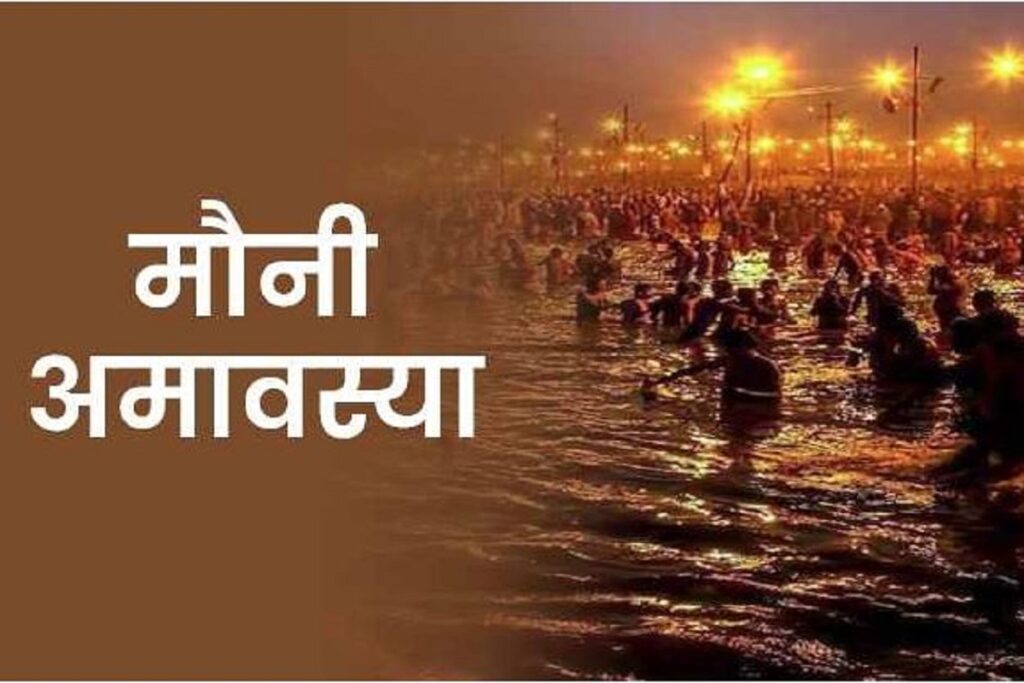
Mauni Amavasya, observed annually on the no-moon day (Amavasya) of the Hindu month of Magha (January–February), is considered one of the most spiritually potent days in Vedic astrology. Unlike regular Amavasyas, this day emphasizes silence (Maun), introspection, and self-discipline, creating an ideal environment for inner cleansing and karmic resolution.
Astrologically, Mauni Amavasya is associated with Sun and Moon conjunctions, intensifying spiritual energy and aligning karmic patterns. In practical life, it is believed that observing silence, performing charity, or meditating on this day can bring mental clarity, reduce stress, and enhance spiritual awareness.
Planetary Influence and Astrological Significance
1. Sun-Moon Alignment
On Mauni Amavasya, the Moon is in conjunction with the Sun, creating a new moon phase. This combination:
- Amplifies energy for self-reflection and meditation
- Influences emotional balance, as the Moon governs the mind
- Strengthens opportunities for spiritual growth and karma resolution
2. Zodiac and Houses Impact
The energy of Mauni Amavasya is particularly potent for people with:
- Rahu or Ketu in key houses, as their karmic lessons are intensified
- Sun or Moon in Capricorn or Aquarius, which enhances discipline and introspection
The day can influence wealth, relationships, and health if observed mindfully, particularly by:
- Offering charity to the needy
- Performing ancestral rituals (Pitru Tarpan)
- Fasting and maintaining silence (Mauna)
3. Yogas and Auspicious Timings (IST)
Astrologically, the Amavasya Tithi begins and ends as per the Vedic Panchang. For example, in 2026, Mauni Amavasya Tithi may begin around 06:30 IST and end by 18:45 IST. Observing rituals during Amrit Kaal (typically 1.5–2 hours before sunrise) is considered especially powerful.
Practical Insights and Remedies
1. Observing Silence (Mauna)
- Stay silent from morning till evening to calm the mind
- Reflect on past actions and plan positive changes
2. Charity and Donations
- Donate food, clothes, or essentials to the underprivileged
- Contribute to temples, ashrams, or social causes
3. Fasting and Rituals
- Opt for light vegetarian fasting, avoiding grains or non-vegetarian food
- Perform Pitru Tarpan for ancestral blessings
4. Meditation and Spiritual Practices
- Meditate near a river or under a tree for increased energy
Chanting simple mantras like:
ॐ पितृभ्यः नमः
Om Pitrubhya Namah
- helps in resolving ancestral karmic burdens
5. Mental and Emotional Benefits
- Reduces stress and anxiety
- Enhances focus, self-discipline, and clarity in decision-making
- Strengthens mind-body-soul connection
Conclusion
Mauni Amavasya is far more than a calendar event; it is a cosmic opportunity for transformation. By observing silence, performing charity, and meditating, individuals can cleanse karmic residues, strengthen mental clarity, and invite spiritual growth. Its combination of planetary influence, auspicious timing, and traditional practices makes it the most powerful Amavasya of the year.
Reflect on your inner journey, embrace stillness, and use this day as a bridge between past actions and future intentions.
FAQs (QnA)
Q1. What is Mauni Amavasya?
A: Mauni Amavasya is the no-moon day (Amavasya) observed during the Hindu month of Magha, emphasizing silence (Mauna), self-reflection, and spiritual growth.
In Vedic astrology, this day is considered highly auspicious as it combines the introspective energy of the New Moon with the discipline of silence, helping reduce stress and enhance mindfulness.
Tips / Remedies:
-
Practice silence from morning to evening
-
Offer charity or food donations
-
Meditate and perform ancestral rituals
Q2. Why is Mauni Amavasya considered powerful?
A: Mauni Amavasya coincides with the Sun–Moon conjunction, which amplifies karmic and spiritual energies.
This rare alignment enhances emotional balance, self-awareness, and spiritual purification, making it more potent than a regular Amavasya.
Tips / Remedies:
-
Observe Mauna (silence)
-
Fast or eat light meals
-
Meditate near a river or sacred water body
Q3. Can fasting on Mauni Amavasya improve health?
A: Yes, fasting on Mauni Amavasya supports physical detoxification and mental clarity.
Reducing digestive load while practicing mindful eating helps cleanse the body. When combined with meditation, fasting improves focus and emotional stability.
Tips / Remedies:
-
Eat light, vegetarian meals
-
Avoid alcohol and processed foods
-
Drink water or herbal teas
Q4. How should I perform Pitru Tarpan on this day?
A: Pitru Tarpan involves offering water mixed with sesame seeds to ancestors while chanting sacred mantras.
This ritual is believed to resolve ancestral karmic debts and bring blessings for health, prosperity, and family harmony. It is ideally performed near a river or holy water body.
Tips / Remedies:
-
Use clean water and sesame seeds
-
Chant the mantra: ॐ पितृभ्यः नमः
-
Donate to the needy after the ritual
Q5. Is meditation necessary on Mauni Amavasya?
A: Meditation is not mandatory but greatly enhances the spiritual benefits of the day.
Meditating on Mauni Amavasya helps calm the mind, align personal energy with cosmic forces, and encourages deep inner awareness. Even 20–30 minutes can be transformative.
Tips / Remedies:
-
Sit facing east or in natural surroundings
-
Practice simple breathing techniques
-
Reflect on past actions and intentions