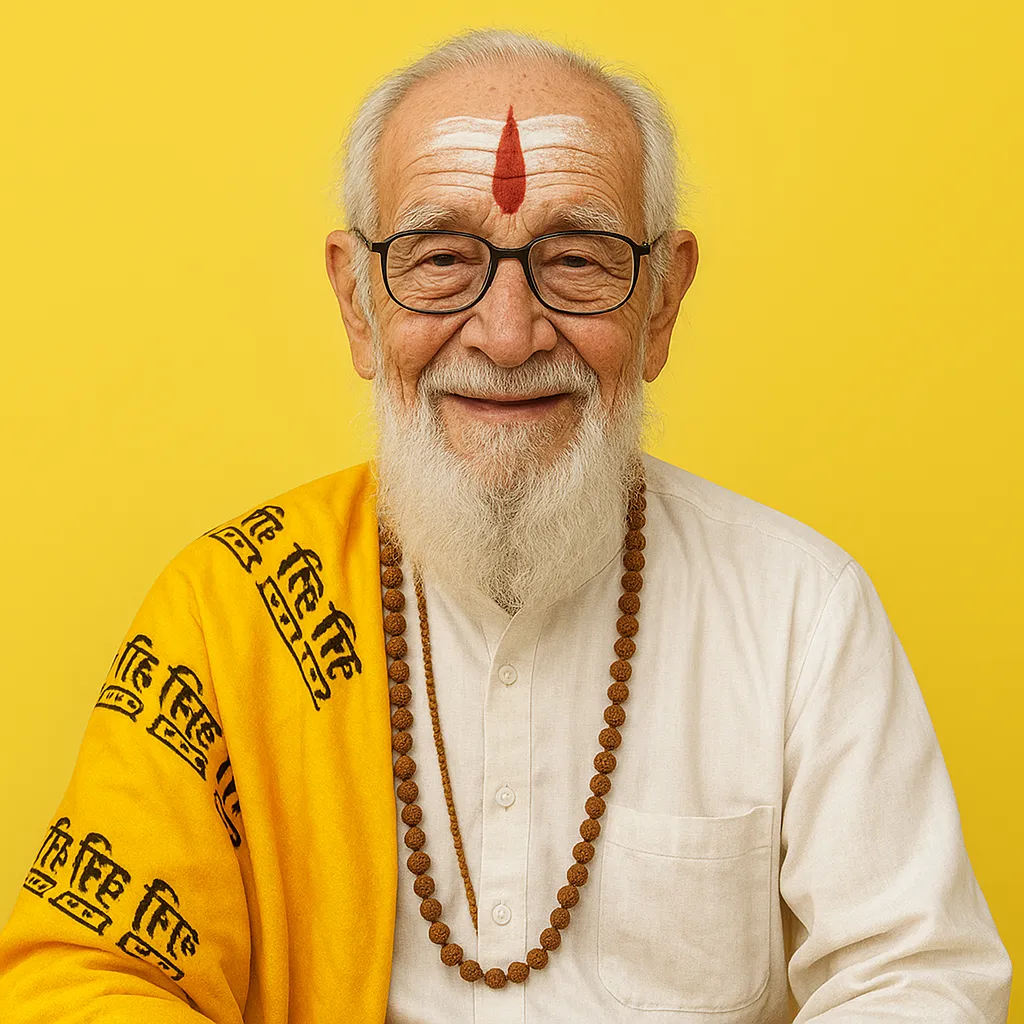

Jyeshtha Purnima Vrat is one of the most revered full moon observances in the Hindu calendar. Celebrated on the Purnima (Full Moon) day of the Jyeshtha month, this vrat is associated with spiritual purification, charity, devotion, and inner growth. In Vedic traditions, the Full Moon represents completeness, emotional balance, and divine blessings. As the Moon reaches its maximum brightness, devotees believe that positive lunar energies become stronger, making this an ideal time for fasting, meditation, and worship.
From an astrological perspective, Jyeshtha Purnima is linked with the Moon’s influence on the mind, emotions, and overall well-being. Many people observe this fast to seek peace, prosperity, family harmony, and spiritual progress. The vrat also holds special significance for devotees of Lord Vishnu and Goddess Lakshmi, who are worshipped for abundance and protection.
What Is Jyeshtha Purnima Vrat?
Jyeshtha Purnima falls during the Hindu lunar month of Jyeshtha and marks the Full Moon day of this period. Traditionally, devotees observe a day-long fast, perform prayers, offer donations, and engage in spiritual activities.
The day is considered highly auspicious because:
- It occurs under the influence of the Full Moon.
- Lunar energy is believed to be at its peak.
- Acts of charity and devotion are said to generate positive karmic results.
- It promotes emotional stability and spiritual awareness.
In many regions of India, devotees also take holy baths in sacred rivers and offer prayers for family welfare and prosperity.
Astrological Significance of Jyeshtha Purnima
The Role of the Moon in Vedic Astrology
In Vedic astrology, the Moon governs:
- Mind and emotions
- Mental peace
- Intuition and creativity
- Relationships and nurturing qualities
- Public image and popularity
A strong Moon often supports emotional balance and decision-making, while a weak Moon may create confusion, anxiety, or mood fluctuations.
Jyeshtha Purnima is considered an ideal time to strengthen lunar energy through spiritual practices.
Influence on Water and Human Emotions
Scientific observations show that the Moon influences tides and natural water bodies. Traditional astrology extends this concept to the human body, which consists largely of water.
Therefore, Full Moon days are often associated with:
- Increased emotional sensitivity
- Greater spiritual awareness
- Enhanced intuition
- Stronger mental focus through meditation
Fasting and prayer during Jyeshtha Purnima are believed to help channel these energies positively.
Major Benefits of Observing Jyeshtha Purnima Vrat
1. Promotes Mental Peace
One of the most recognized benefits of this vrat is emotional balance.
Devotees often use the day for:
- Meditation
- Chanting mantras
- Self-reflection
- Reducing mental distractions
These practices may help create calmness and clarity in daily life.
2. Strengthens Positive Lunar Energy
According to Vedic astrology, fasting on Purnima can help harmonize the Moon’s influence in one’s horoscope.
People experiencing:
- Emotional instability
- Lack of concentration
- Stress-related issues
often perform Moon-related remedies on Full Moon days.
3. Supports Spiritual Growth
Jyeshtha Purnima encourages devotees to focus on spiritual development rather than material concerns.
Activities such as:
- Reading sacred texts
- Listening to spiritual discourses
- Practicing gratitude
can deepen self-awareness and inner peace.
4. Encourages Charity and Good Karma
Donation and service are important aspects of this observance.
Traditional offerings include:
- Food grains
- Clothes
- Water pots
- Fruits
- Financial assistance to the needy
Such acts promote compassion and social responsibility.
5. Enhances Family Harmony
Many families perform collective prayers on this day.
The vrat is believed to support:
- Better communication
- Respect among family members
- Emotional understanding
- Household peace
While these outcomes depend on personal effort, spiritual practices often encourage positive attitudes and mindfulness.
Zodiac Signs That May Benefit More
Although Jyeshtha Purnima is beneficial for everyone, certain zodiac signs may find the lunar energy especially supportive.
Cancer (Karka)
As the Moon rules Cancer, natives may experience enhanced emotional clarity and intuition.
Taurus (Vrishabha)
The Moon is exalted in Taurus, making this an excellent time for gratitude practices and financial planning.
Pisces (Meena)
Pisces natives may benefit from spiritual activities, meditation, and devotional practices.
Scorpio (Vrischika)
Since the Moon is considered debilitated in Scorpio, Full Moon remedies may help promote emotional balance.
Simple Remedies for Jyeshtha Purnima
Moon Strengthening Remedies
- Offer water mixed with milk to the Moon in the evening.
- Chant “Om Som Somaya Namah” 108 times.
- Wear clean white clothing during prayers.
- Donate rice, milk, or white sweets.
Vishnu Worship
Reciting the following mantra is considered auspicious:
ॐ नमो भगवते वासुदेवाय।
This mantra is associated with devotion, protection, and spiritual upliftment.
Charity Remedies
Consider donating:
- Drinking water
- Umbrellas
- Seasonal fruits
- White-colored food items
These acts align with the traditional spirit of Jyeshtha Purnima.
Practical Relevance in Modern Life
Beyond religious observance, Jyeshtha Purnima offers an opportunity to slow down and reflect.
Many people use the day to:
- Reduce digital distractions
- Practice mindfulness
- Spend quality time with family
- Review personal goals
- Express gratitude
These habits can contribute positively to emotional well-being and personal growth.
Conclusion
Jyeshtha Purnima Vrat is more than a traditional Full Moon fast; it is a meaningful occasion for self-discipline, devotion, and emotional renewal. From an astrological viewpoint, the day highlights the importance of the Moon’s influence on the mind and inner life. Through fasting, prayer, charity, and meditation, devotees seek harmony, clarity, and spiritual progress.
Whether observed for religious reasons or personal reflection, Jyeshtha Purnima encourages practices that promote balance, gratitude, and positive living. As each Full Moon reminds us of completeness and illumination, this sacred vrat offers an opportunity to reconnect with both spiritual values and everyday well-being.
FAQs
1. What are the main benefits of Jyeshtha Purnima Vrat?
Jyeshtha Purnima Vrat is believed to promote mental peace, spiritual growth, and positive lunar energy.
The Full Moon is associated with emotional balance and heightened awareness in Vedic traditions. Observing the vrat encourages self-discipline, prayer, and charitable actions.
Helpful practices:
- Meditation
- Moon mantra chanting
- Charity and donations
- Vishnu worship
2. Which deity is worshipped on Jyeshtha Purnima?
Lord Vishnu is commonly worshipped on Jyeshtha Purnima.
Many devotees recite Vishnu mantras and offer prayers seeking protection, prosperity, and spiritual progress. In some traditions, Goddess Lakshmi is also worshipped.
Recommended offerings:
- Tulsi leaves
- Fruits
- Sweets
- Incense and lamps
3. Can Jyeshtha Purnima help strengthen the Moon in astrology?
Yes, traditional Vedic astrology considers Purnima remedies beneficial for strengthening lunar influences.
The Moon represents emotions, intuition, and mental stability. Full Moon prayers and fasting are often performed to support emotional harmony.
Common Moon remedies:
- Chant “Om Som Somaya Namah”
- Donate milk or rice
- Offer water to the Moon
- Practice meditation
4. Is charity important on Jyeshtha Purnima?
Yes, charity is considered one of the most significant practices on this day.
Ancient scriptures emphasize the importance of helping others during auspicious lunar occasions. Acts of kindness are believed to cultivate positive karma.
Popular donations include:
- Water pots
- Food grains
- Fruits
- Clothing
5. Who can observe Jyeshtha Purnima Vrat?
Anyone can observe Jyeshtha Purnima Vrat according to their health and personal beliefs.
The vrat may be observed fully or partially depending on individual circumstances. The core objective is devotion, self-control, and spiritual reflection.
For a meaningful observance:
- Maintain positive thoughts
- Follow a simple diet if fasting
- Spend time in prayer
- Perform charitable acts