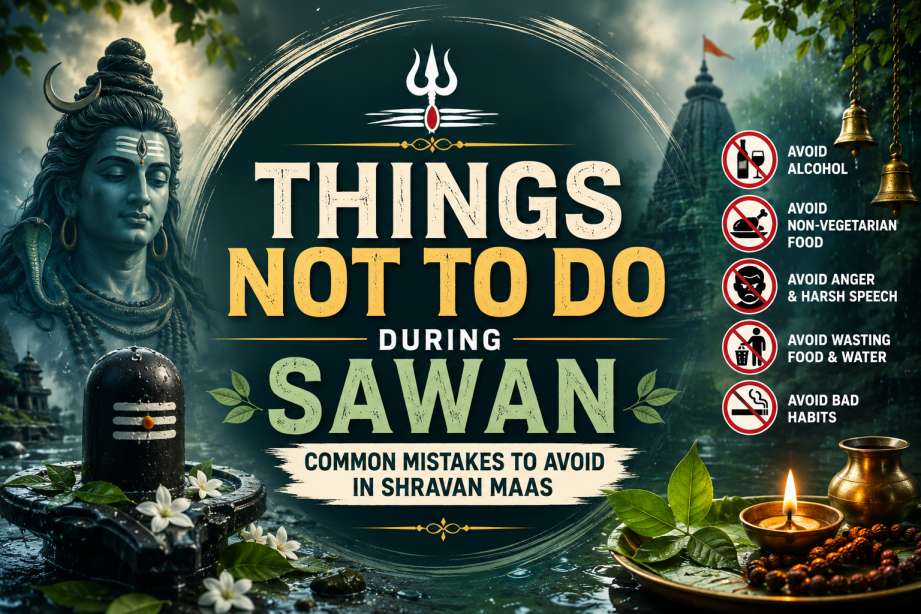
Sawan, also known as Shravan Maas, is one of the holiest months in the Hindu calendar and is dedicated to the worship of Lord Shiva. During this sacred period, devotees observe fasts, visit Shiva temples, perform Rudrabhishek, chant mantras, and follow a disciplined lifestyle to seek spiritual growth and inner peace. Astrologically, Sawan is associated with purification, emotional balance, and strengthening one’s connection with divine consciousness.
The month also coincides with the monsoon season, symbolizing renewal and nourishment in nature. While many people know the rituals to perform during Sawan, understanding what should be avoided is equally important. Most traditions emphasize self-discipline, compassion, and mindful living rather than fear or superstition. This guide explains the common mistakes to avoid during Shravan Maas, their traditional significance, and practical ways to observe the month respectfully.
Why Are Certain Practices Avoided During Sawan?
According to Hindu traditions and Vedic beliefs, Sawan is considered a period of spiritual discipline (Sadhana). During this month, devotees aim to reduce distractions and cultivate purity in thoughts, words, and actions.
Rather than being strict prohibitions, many customs encourage:
- Self-control
- Simplicity
- Compassion
- Healthy habits
- Increased devotion
- Mental clarity
These practices help create a balanced lifestyle while focusing on spiritual growth.
Astrological Importance of Sawan
In Vedic astrology, Lord Shiva is believed to govern transformation, detachment, and inner wisdom. Sawan is considered an ideal time to strengthen these qualities.
Astrologically, this period supports:
- Spiritual practices
- Emotional healing
- Karma purification
- Meditation
- Chanting and prayers
- Charity and service
Many astrologers also associate regular Shiva worship during Sawan with balancing the effects of the Moon, improving emotional stability, and reducing stress.
Common Mistakes to Avoid During Sawan
1. Avoid Consuming Alcohol and Intoxicants
One of the most widely followed traditions is avoiding alcohol, tobacco, and intoxicating substances during Shravan Maas.
These substances are believed to reduce mental clarity and interfere with spiritual discipline.
Instead:
- Drink fresh water and herbal beverages.
- Follow a sattvic (pure) lifestyle.
- Stay hydrated during the monsoon season.
2. Avoid Non-Vegetarian Food
Many devotees choose a vegetarian diet throughout Sawan.
Traditional beliefs encourage consuming simple and easily digestible foods during this month.
Popular sattvic foods include:
- Fruits
- Milk
- Curd
- Sabudana
- Singhara flour
- Kuttu flour
- Seasonal vegetables
Even people who do not observe fasting often avoid meat as a mark of respect for the sacred month.
3. Do Not Disrespect Parents, Elders, or Teachers
Respect for elders is considered an essential aspect of Shiva worship.
According to Hindu philosophy, humility and gratitude are as important as rituals.
Simple practices include:
- Speaking politely
- Helping family members
- Seeking blessings
- Practicing patience
4. Avoid Anger and Harsh Speech
Lord Shiva represents calmness and inner balance.
Therefore, devotees are encouraged to avoid:
- Arguments
- Gossip
- Negative speech
- Excessive criticism
- Unnecessary conflicts
Instead, practice mindful communication and forgiveness.
5. Do Not Waste Food or Water
Sawan falls during the rainy season when nature provides abundance.
Traditional teachings encourage gratitude by avoiding waste.
Good practices include:
- Serving only what you can eat.
- Conserving water.
- Feeding birds and animals.
- Donating food to the needy.
6. Avoid Breaking Fast Without Proper Care
If you observe a Sawan fast, avoid ending it with unhealthy or excessively heavy meals.
Instead:
- Break the fast gradually.
- Drink water first.
- Eat light fruits or simple meals.
- Avoid overeating.
People with medical conditions should consult a healthcare professional before fasting.
7. Avoid Skipping Daily Prayers
Even if you cannot visit a temple, try to dedicate a few minutes every day to worship.
You may chant:
“ॐ नमः शिवाय”
This Panchakshari Mantra is one of the most revered Shiva mantras and is traditionally believed to promote inner peace and devotion.
8. Avoid Hurting Animals or Nature
Sawan emphasizes harmony with nature.
Many devotees choose to:
- Feed cows
- Offer grains to birds
- Plant trees
- Avoid unnecessary harm to living beings
These acts reflect compassion, a core value in Hindu philosophy.
9. Avoid Excessive Material Desires
While praying for success and prosperity is natural, Sawan encourages devotees to focus on gratitude and self-improvement rather than only material gains.
Meditation and self-reflection help cultivate emotional balance.
10. Do Not Perform Rituals Without Understanding Their Meaning
Rituals become more meaningful when performed with sincerity and awareness.
Learning the significance of Abhishek, Bilva leaves, mantra chanting, and charity helps deepen spiritual understanding.
Easy Spiritual Practices During Sawan
You can make your Sawan observance more meaningful through simple daily habits.
Daily Practices
- Offer water to the Shivling.
- Chant “Om Namah Shivaya” 108 times.
- Read Shiva Chalisa.
- Meditate for 10–15 minutes.
- Donate food or clothes.
- Visit a Shiva temple if possible.
- Practice gratitude every morning.
Practical Astrological Remedies During Sawan
Traditional astrology suggests simple remedies that promote positive habits rather than guaranteed outcomes.
Helpful Remedies
- Offer Bilva (Bel) leaves to Lord Shiva.
- Perform Rudrabhishek on Mondays.
- Wear clean white or light-colored clothes during worship.
- Donate white rice or milk.
- Light a sesame oil or ghee lamp in the evening.
- Observe silence for a few minutes daily to improve mental clarity.
Real-Life Relevance of These Practices
Many customs followed during Sawan also align with practical well-being.
For example:
- Vegetarian food may support easier digestion during the monsoon.
- Meditation reduces stress.
- Charity promotes empathy.
- Avoiding intoxicants benefits physical and mental health.
- Speaking kindly improves relationships.
These traditions encourage a balanced lifestyle that benefits both spiritual and everyday life.
Conclusion
Sawan is more than a month of rituals—it is an opportunity to cultivate discipline, gratitude, compassion, and self-awareness. The practices traditionally avoided during Shravan Maas are intended to reduce distractions and help devotees focus on inner growth rather than external indulgence. Whether you observe elaborate fasts or simply dedicate a few minutes daily to prayer and mindful living, the true essence of Sawan lies in sincerity and positive actions.
Use this sacred month to strengthen your connection with Lord Shiva, practice kindness, and develop habits that continue to benefit you long after Shravan ends.
FAQs
1. What should not be done during Sawan?
Avoid alcohol, non-vegetarian food, unnecessary anger, disrespect, and harmful actions during Sawan.
These customs are rooted in the idea of maintaining a disciplined and spiritually focused lifestyle. Rather than strict prohibitions, they encourage self-control, compassion, and mindful living.
Helpful Tips:
- Eat sattvic food.
- Practice patience.
- Offer daily prayers to Lord Shiva.
2. Is eating non-vegetarian food allowed during Shravan Maas?
Many devotees voluntarily avoid non-vegetarian food during Sawan as a mark of devotion.
Traditional beliefs recommend a vegetarian diet to support simplicity and purity during this sacred month. However, practices may vary across families and regions.
Recommended Foods:
- Fruits
- Milk
- Sabudana
- Kuttu flour
- Seasonal vegetables
3. Why is Monday considered special during Sawan?
Mondays (Sawan Somwar) are especially dedicated to Lord Shiva and are considered highly auspicious for worship.
Many devotees observe fasts, perform Abhishek, visit Shiva temples, and chant Shiva mantras on these days to deepen their spiritual practice.
Popular Monday Rituals:
- Rudrabhishek
- Bilva leaf offering
- Om Namah Shivaya chanting
- Charity
4. Can everyone observe a Sawan fast?
Most healthy adults can observe a Sawan fast, but individuals with medical conditions should seek professional advice first.
The purpose of fasting is self-discipline and devotion, not physical hardship. Those unable to fast can still participate through prayer, meditation, and charitable acts.
Alternative Practices:
- Eat simple sattvic meals.
- Chant Shiva mantras.
- Visit a temple.
- Donate food.
5. What is the most important spiritual practice during Sawan?
Consistent devotion with sincerity is considered the most meaningful practice during Sawan.
While rituals such as fasting, temple visits, and Abhishek are popular, cultivating compassion, gratitude, and inner peace is equally important according to Hindu philosophy.
Simple Daily Routine:
- Chant “Om Namah Shivaya.”
- Meditate for 10–15 minutes.
- Help someone in need.
- Spend a few moments in self-reflection each day.