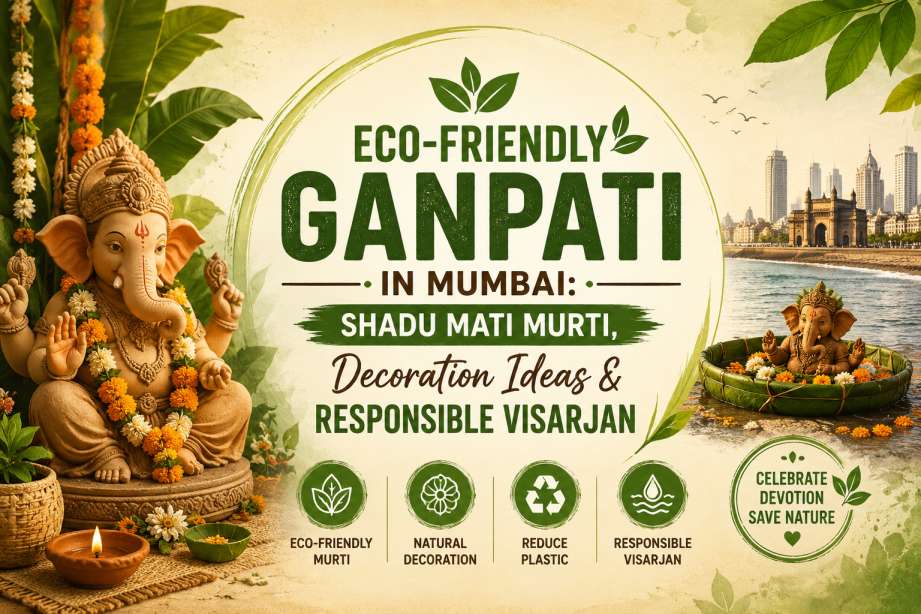
Ganesh Chaturthi in Mumbai is a celebration of devotion, community, creativity, and tradition. In recent years, eco-friendly Ganpati celebrations have become increasingly popular, especially among devotees who want to honour Lord Ganesha while reducing environmental impact.
From choosing a Shadu Mati Ganpati murti to using natural flowers and reusable decorations, small decisions can make the festival more sustainable. Responsible Visarjan is equally important because traditional immersion practices can affect local water bodies.
From a Vedic astrology perspective, Lord Ganesha is associated with Budha (Mercury), wisdom, intellect, communication, and removal of obstacles. Worshipping Ganesha is traditionally considered beneficial before beginning important activities. An eco-conscious celebration can also reflect the principles of restraint, cleanliness, and respect for nature.
Why Choose an Eco-Friendly Ganpati in Mumbai?
Mumbai’s large-scale Ganesh celebrations place considerable pressure on public spaces and water bodies. Choosing environmentally responsible options allows devotees to preserve the spiritual essence of the festival while being mindful of the city’s ecological needs.
An eco-friendly Ganpati can include:
- A Shadu Mati (natural clay) idol
- Natural, biodegradable decorations
- Reusable cloth and wooden décor
- Natural colours instead of chemical paints
- Minimal plastic usage
- Home or community immersion facilities
- Proper collection and disposal of nirmalya
The idea is not to reduce devotion, but to make celebration more responsible.
Shadu Mati Ganpati Murti: Why Is It Preferred?
Shadu Mati, or naturally occurring clay, is traditionally preferred for many eco-friendly Ganesh idols because it can dissolve more naturally in water compared with plaster-based materials.
When buying a Ganpati murti, devotees can ask the artisan about:
- Material: Confirm that the idol is made primarily from natural clay.
- Paint: Prefer natural, water-soluble or non-toxic colours.
- Decoration: Avoid plastic glitter, thermocol, and synthetic embellishments.
- Size: Choose an idol appropriate for your home and immersion arrangement.
A smaller idol can also make home Visarjan easier and reduce logistical challenges.
Astrological Perspective
Ganesha worship is traditionally performed before auspicious beginnings. In Vedic symbolism, Mercury represents intelligence, discrimination, communication, and practical decision-making. These qualities are especially relevant when making responsible choices during a major festival.
Rather than treating an eco-friendly murti as a guaranteed astrological remedy, devotees can view sustainable worship as a way of combining spiritual discipline with practical wisdom.
Eco-Friendly Ganpati Decoration Ideas
Your Ganpati decoration does not need to depend on plastic or thermocol. Natural materials can create an elegant and traditional setup.
1. Use Flowers and Leaves
Marigold, roses, mango leaves, banana leaves, and other locally available natural elements can create a traditional backdrop.
2. Choose Cloth Drapes
Cotton, khadi, silk, or traditional fabrics can be reused for future festivals. Choose colours that complement your home rather than purchasing disposable decorations every year.
3. Try Wooden or Bamboo Décor
Bamboo frames, wooden panels, cane baskets, and natural fibre products can give the mandap a warm appearance.
4. Use Diyas Carefully
Traditional diyas can create a peaceful atmosphere. Place them securely away from curtains, paper, and other flammable materials.
5. Reuse Existing Décor
One of the most sustainable approaches is simply reusing what you already own. Old sarees, dupattas, brass lamps, baskets, and decorative items can be creatively incorporated into the mandap.
Responsible Ganpati Visarjan in Mumbai
Visarjan is an important part of Ganesh Chaturthi, symbolising the return of the deity to the elements. Devotees can preserve this spiritual meaning while choosing a responsible immersion method.
Home Visarjan
For a small clay idol, home Visarjan can be considered where practical and permitted. A clean container or artificial immersion setup can be used, followed by respectful handling of the dissolved clay.
Artificial Visarjan Tanks
Community or municipal artificial ponds can help reduce pressure on natural water bodies. Follow local Mumbai civic instructions regarding designated immersion locations and timings.
Handle Nirmalya Responsibly
Flowers, leaves, garlands, and other offerings should not simply be thrown into public water bodies.
Instead:
- Separate organic nirmalya.
- Remove non-biodegradable material.
- Use designated collection facilities where available.
- Compost suitable organic material when possible.
Astrology-Inspired Ganpati Practices
Devotees who want to incorporate a traditional astrological dimension can keep the practice simple.
For Wisdom and Clarity
Recite:
“ॐ गं गणपतये नमः”
Chanting can be done peacefully during daily Ganpati worship, with attention and devotion rather than treating it as a guaranteed solution to problems.
For New Beginnings
Before starting an important activity during Ganesh Chaturthi, devotees traditionally seek Ganesha’s blessings. The practical lesson is equally valuable: begin with clarity, planning, and discipline.
Keep the Puja Space Clean
Cleanliness is central to many Hindu worship traditions. Maintaining an organised and clean puja space can also encourage mental calm and focused prayer.
What to Avoid During an Eco-Friendly Celebration
Avoiding a few materials can significantly improve the sustainability of your celebration.
- Thermocol mandaps
- Excessive single-use plastic
- Plastic-based glitter
- Idols containing unsuitable synthetic materials
- Chemical-heavy paints
- Throwing nirmalya directly into water
- Leaving decorations or waste at immersion sites
Always follow the latest local civic guidelines for Ganpati Visarjan in Mumbai, as designated arrangements and rules may change from year to year.
Conclusion
An eco-friendly Ganpati in Mumbai is an opportunity to bring together devotion, tradition, environmental responsibility, and practical wisdom. A Shadu Mati murti, natural decoration, reusable materials, and responsible Visarjan can preserve the spiritual character of Ganesh Chaturthi while reducing unnecessary environmental impact.
Astrologically, Ganesha represents qualities such as wisdom, discrimination, and thoughtful beginnings. These qualities can inspire devotees to make conscious choices rather than simply following trends. The most meaningful celebration is one where faith is accompanied by responsibility.
As you prepare for Ganesh Chaturthi, consider asking yourself: Can this year’s celebration be as respectful to nature as it is to tradition?
FAQs
1. What is a Shadu Mati Ganpati murti?
A Shadu Mati Ganpati murti is a Lord Ganesha idol made from natural clay, traditionally preferred for more environmentally responsible celebrations.
Compared with idols made from plaster-based materials, natural clay is generally more suitable for natural dissolution. However, devotees should also check the paints, coatings, and decorative materials used on the idol.
Tips:
- Ask the artisan about the clay used.
- Prefer non-toxic colours.
- Avoid plastic embellishments.
2. Is home Ganpati Visarjan eco-friendly?
Home Visarjan can be an environmentally responsible option for a suitable small clay idol when carried out safely and according to local guidance.
A dedicated clean container can be used for immersion, allowing the clay and water to be handled respectfully afterward. The method should be practical for the idol’s size and household setting.
Tips:
- Use a clean immersion container.
- Do not mix non-biodegradable materials with the immersion water.
- Handle the dissolved clay respectfully.
3. Which decorations are best for an eco-friendly Ganpati?
Natural flowers, leaves, cotton fabrics, bamboo, wood, and reusable household décor are excellent choices.
They can create a traditional and visually appealing mandap without depending heavily on disposable plastic or thermocol. Reusing existing materials is often the most sustainable option.
Good choices: flowers, fabric, bamboo, wooden décor, brass lamps, reusable backdrops.
4. What is the traditional Ganpati mantra?
“ॐ गं गणपतये नमः” is one of the most widely used simple mantras dedicated to Lord Ganesha.
Devotees may chant it during puja or meditation with concentration and devotion. From a traditional perspective, Ganesha worship is associated with seeking wisdom and the removal of obstacles.
Simple practice: Chant calmly during your daily Ganpati puja without treating the mantra as a guaranteed substitute for practical action.
5. Why is responsible Visarjan important in Mumbai?
Responsible Visarjan helps protect Mumbai’s water bodies and public spaces while preserving the religious significance of immersion.
Choosing designated immersion facilities, artificial tanks where available, or appropriate home immersion for small clay idols can help reduce environmental pressure.
Remember:
- Follow current civic instructions.
- Use designated immersion points.
- Dispose of nirmalya separately.
- Avoid leaving decorations or waste behind.