Introduction
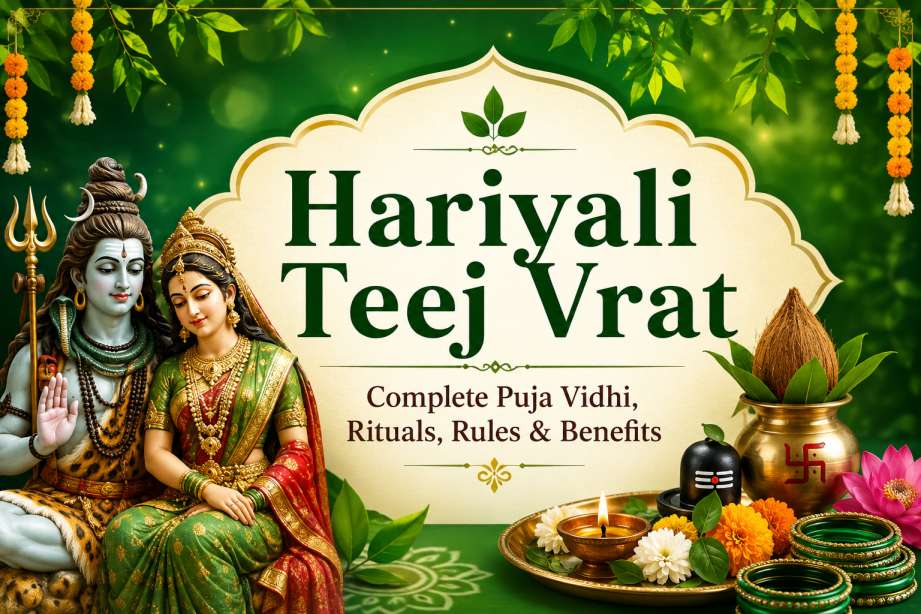
Hariyali Teej is one of the most revered festivals celebrated during the holy month of Shravan (Sawan). Dedicated to Lord Shiva and Goddess Parvati, this auspicious vrat symbolizes marital bliss, devotion, prosperity, and spiritual growth. According to Vedic traditions, Goddess Parvati observed intense penance over many lifetimes before being accepted as Lord Shiva’s consort, making Hariyali Teej a celebration of unwavering faith and divine union.
From an astrological perspective, Hariyali Teej falls during a period when the Moon’s emotional energy is heightened and nature is at its greenest, representing renewal, fertility, and abundance. Many devotees observe the fast not only for a happy married life but also for emotional harmony, family happiness, and spiritual well-being. Along with traditional rituals, this sacred day is considered ideal for seeking the blessings of Shiva and Parvati to reduce obstacles in relationships and invite positive planetary influences.
Significance of Hariyali Teej in Vedic Astrology
Hariyali Teej carries both cultural and astrological importance.
In Vedic astrology:
- Lord Shiva represents discipline, wisdom, detachment, and transformation.
- Goddess Parvati symbolizes love, harmony, fertility, devotion, and family happiness.
- Their divine union signifies the perfect balance between masculine and feminine cosmic energies.
The festival is particularly beneficial for strengthening the influences of:
- Moon (Chandra) – Emotional stability
- Venus (Shukra) – Love, marriage, beauty, luxury
- Jupiter (Guru) – Family prosperity and blessings
- Mars (Mangal) – Strength in marital relationships
When these planetary energies are balanced, relationships often become more harmonious, communication improves, and emotional conflicts reduce.
Hariyali Teej Vrat Puja Vidhi
1. Wake Up During Brahma Muhurta
Begin the day by waking up early and taking a bath.
Wear:
- Green clothes
- Green bangles
- Traditional ornaments
- Fresh flowers
Green represents prosperity, growth, fertility, and positive energy.
2. Prepare the Puja Area
Decorate the altar with:
- Idol or image of Lord Shiva and Goddess Parvati
- Kalash
- Mango leaves
- Bilva (Bel) leaves
- Fresh flowers
- Fruits
- Incense
- Ghee lamp
- Sandalwood paste
- Kumkum
- Akshat (rice)
Cleanliness and devotion are considered equally important during worship.
3. Offer the Sacred Items
Offer:
- Bilva leaves to Lord Shiva
- Red flowers to Goddess Parvati
- Honey
- Milk
- Curd
- Ghee
- Sugar
- Gangajal (if available)
These offerings symbolize purity and gratitude.
4. Chant Sacred Mantras
One of the most commonly recited Shiva mantras is:
ॐ नमः शिवाय
This Panchakshari Mantra is believed to calm the mind and deepen spiritual focus.
For Goddess Parvati, devotees may chant:
ॐ ह्रीं गौर्यै नमः
Reciting these mantras with sincerity is traditionally believed to cultivate inner peace and devotion.
5. Listen to Hariyali Teej Vrat Katha
Reading or listening to the Hariyali Teej Vrat story is an important ritual that highlights Goddess Parvati’s determination and unwavering devotion toward Lord Shiva.
The story reminds devotees of:
- Patience
- Commitment
- Faith
- Spiritual perseverance
6. Perform Aarti
Conclude the puja with:
- Shiva Aarti
- Parvati Aarti
Offer prayers for:
- Family harmony
- Good health
- Prosperity
- Peace
- Marital happiness
Hariyali Teej Fasting Rules
While practices vary by family traditions and regional customs, the following guidelines are commonly observed:
Before Starting the Fast
- Eat sattvic food.
- Avoid onion, garlic, and alcohol.
- Maintain a calm and positive mindset.
During the Fast
Many devotees observe:
- Nirjala Vrat (without water)
- Phalahar (fruits and milk)
- Water-only fast
The type of fasting depends on one’s health, age, and family tradition.
General Rules
- Speak respectfully.
- Avoid anger and arguments.
- Focus on prayer and meditation.
- Read Shiva Purana or Parvati-related stories if possible.
- Perform charity according to your capacity.
Those with medical conditions, pregnant women, elderly individuals, or people taking regular medication should adapt the fast as advised by their healthcare professional.
Astrological Benefits of Hariyali Teej Vrat
According to traditional beliefs, observing Hariyali Teej with devotion may help:
Strengthen Venus
A balanced Venus is associated with:
- Better relationships
- Emotional bonding
- Beauty
- Comfort
- Harmony
Calm the Moon
Moon-related remedies may promote:
- Mental peace
- Emotional stability
- Better decision-making
Improve Marital Harmony
Many devotees believe the vrat encourages:
- Mutual understanding
- Trust
- Family unity
Enhance Spiritual Discipline
The combination of fasting, mantra chanting, and meditation helps cultivate mindfulness and self-control.
Simple Remedies to Perform on Hariyali Teej
These traditional practices are widely followed:
- Offer Bilva leaves to Lord Shiva.
- Donate green clothes to someone in need.
- Feed cows with green fodder.
- Water a Peepal tree where locally appropriate and in accordance with local customs.
- Donate fruits to temples or charitable organizations.
- Chant “Om Namah Shivaya” 108 times.
- Spend time in meditation.
- Seek blessings from parents and elders.
These remedies are intended to encourage gratitude, compassion, and spiritual reflection rather than guarantee specific outcomes.
Zodiac Signs That May Benefit Spiritually
While Hariyali Teej is meaningful for everyone, devotees from all zodiac signs can use the day for self-reflection and prayer.
Traditional astrology often associates particular themes with certain signs:
- Taurus & Libra: Focus on relationships and Venus-related harmony.
- Cancer: Emotional balance and family bonding.
- Leo: Confidence balanced with humility.
- Scorpio: Transformation and inner healing.
- Capricorn: Patience, discipline, and responsibility.
These are broad astrological themes and should not be treated as fixed predictions.
Why Hariyali Teej Matters Today
In modern life, Hariyali Teej serves as more than a religious observance. It offers an opportunity to pause, reconnect with loved ones, practice gratitude, and cultivate emotional resilience. Whether one observes the vrat traditionally or simply participates in prayer and reflection, the festival reinforces values such as devotion, commitment, compassion, and inner balance.
Conclusion
Hariyali Teej beautifully combines devotion, tradition, and spiritual reflection. The worship of Lord Shiva and Goddess Parvati symbolizes the ideal partnership built on patience, faith, and mutual respect. Along with the prescribed puja rituals, fasting rules, and simple remedies, the festival encourages positive habits such as gratitude, self-discipline, and compassion.
If you wish to understand how your birth chart influences your marriage, relationships, or spiritual growth, consulting an experienced Vedic astrologer can provide personalized guidance based on your horoscope. Above all, observe Hariyali Teej with sincerity and faith, respecting both tradition and your personal well-being.
FAQs
1. What is the significance of Hariyali Teej Vrat?
Hariyali Teej Vrat is observed to honour Lord Shiva and Goddess Parvati for marital happiness, prosperity, and spiritual growth.
According to Hindu tradition, the festival commemorates Goddess Parvati’s devotion and eventual union with Lord Shiva after years of penance. It is also celebrated as a symbol of love, faith, and commitment.
Many devotees also use this day for prayer, charity, and meditation to cultivate emotional balance and gratitude.
Helpful tips:
- Worship Shiva-Parvati together.
- Chant “Om Namah Shivaya.”
- Wear green clothing.
- Practice kindness and charity.
2. Can unmarried women observe Hariyali Teej fast?
Yes, unmarried women traditionally observe the fast while praying for a suitable life partner and personal well-being.
Many families believe the vrat encourages qualities such as patience, devotion, and self-discipline. However, participation is a matter of personal faith and family tradition.
The emphasis should remain on sincere prayer rather than rigid observance.
Helpful tips:
- Offer prayers to Goddess Parvati.
- Read the Hariyali Teej Vrat Katha.
- Maintain positive thoughts.
- Perform simple acts of charity.
3. What should be offered during Hariyali Teej Puja?
Bilva leaves, flowers, fruits, milk, incense, and a ghee lamp are among the traditional offerings.
These items represent purity, devotion, and respect toward Lord Shiva and Goddess Parvati. Families may include additional offerings according to regional customs.
The sincerity of worship is considered more important than the quantity of offerings.
Traditional offerings include:
- Bilva leaves
- Fresh flowers
- Fruits
- Milk
- Kumkum
- Akshat
- Ghee lamp
4. Which planets are associated with Hariyali Teej?
Hariyali Teej is traditionally linked with the Moon, Venus, Jupiter, and Mars.
These planets are symbolically connected with emotions, relationships, wisdom, family life, and marital harmony in Vedic astrology. Devotional practices on this day are believed to support spiritual alignment with these qualities.
Astrological interpretations vary depending on an individual’s birth chart.
Simple remedies:
- Chant Shiva mantras.
- Donate green items.
- Meditate.
- Seek blessings from elders.
5. Can people with health conditions modify the fast?
Yes, individuals with medical conditions should modify the fast according to their health needs and medical advice.
Many devotees choose fruit, milk, or water-based fasting instead of observing a strict fast. Hindu traditions generally prioritise sincere devotion over physical hardship.
Always consult a healthcare professional if fasting may affect your health.
Safer alternatives:
- Fruit-based fast
- Milk and dry fruits
- Water-only fast (if appropriate)
- Focus on prayer, meditation, and charity instead of strict fasting