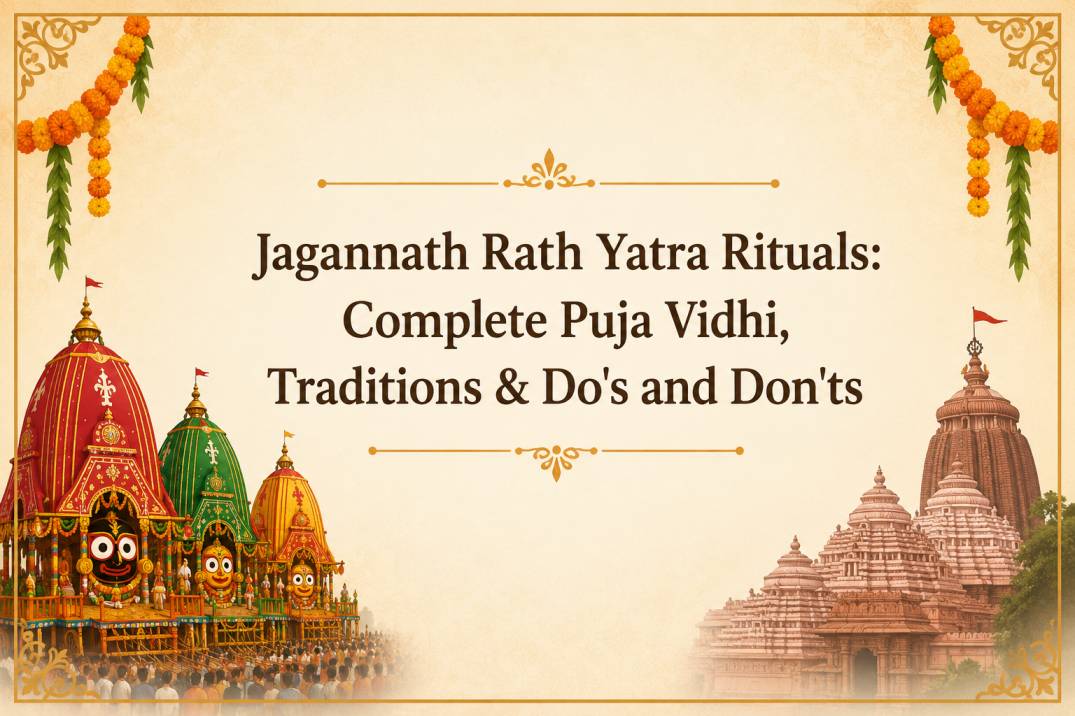
Jagannath Rath Yatra is one of India’s most sacred and widely celebrated Hindu festivals, dedicated to Lord Jagannath, an incarnation of Lord Vishnu along with his elder brother Balabhadra and sister Subhadra. The festival symbolizes the divine journey of the deities from the Jagannath Temple to the Gundicha Temple, representing compassion, equality, and the Lord’s willingness to bless all devotees irrespective of caste or status.
From an astrological perspective, Rath Yatra is observed during the bright fortnight (Shukla Paksha) of the Ashadha month, a spiritually significant period that encourages devotion, charity, and purification of karma. Participating in the rituals with sincerity is traditionally believed to strengthen positive planetary energies, especially those associated with Jupiter (Guru) and the Moon (Chandra), promoting wisdom, emotional balance, and spiritual growth.
What is Jagannath Rath Yatra?
Jagannath Rath Yatra is an annual chariot festival primarily celebrated in Puri, Odisha, and across many parts of India.
During the festival:
- Lord Jagannath
- Lord Balabhadra
- Devi Subhadra
are taken out in beautifully decorated wooden chariots, allowing devotees to seek blessings through darshan.
The pulling of the chariots symbolizes surrender to divine will and reminds devotees that God reaches every individual without discrimination.
Astrological Significance of Jagannath Rath Yatra
According to Vedic astrology, Rath Yatra falls during Ashadha Shukla Paksha, a period associated with:
- Spiritual purification
- Dharma (righteous living)
- Charity (Daan)
- Bhakti (devotion)
- Karma cleansing
Planetary Influences
Jupiter (Guru)
Guru governs wisdom, faith, spirituality, and blessings.
Offering prayers to Lord Jagannath during Rath Yatra is traditionally associated with strengthening Guru’s positive influence, especially for those seeking education, guidance, or prosperity.
Moon (Chandra)
The Moon represents emotions and inner peace.
Devotional practices during Rath Yatra are believed to help cultivate emotional stability and mental calmness.
Sun (Surya)
Lord Jagannath is also associated with divine radiance and righteous leadership.
Prayers during this festival may inspire confidence, discipline, and clarity in decision-making.
Complete Jagannath Rath Yatra Puja Vidhi
Devotees can perform a simple puja at home if they are unable to visit a temple.
Step 1: Wake Up Early
- Take a bath before sunrise if possible.
- Wear clean or traditional clothes.
- Maintain a peaceful and positive mindset.
Step 2: Prepare the Puja Area
Place images or idols of:
- Lord Jagannath
- Lord Balabhadra
- Devi Subhadra
Decorate the altar with:
- Flowers
- Tulsi leaves
- Incense
- Diya
- Fruits
- Sweets
Step 3: Offer Prayers
Light a ghee lamp and incense.
Offer:
- Tulsi leaves
- Sandalwood paste
- Flowers
- Seasonal fruits
- Homemade sweets
Recite:
ॐ नमो भगवते वासुदेवाय।
or
जय जगन्नाथ।
Even chanting these mantras with devotion for a few minutes is considered spiritually meaningful.
Step 4: Read or Listen to Jagannath Katha
Reading stories associated with Lord Jagannath helps deepen one’s understanding of devotion, humility, and service.
Step 5: Perform Aarti
Offer aarti and pray for:
- Good health
- Family harmony
- Wisdom
- Prosperity
- Peace
Traditional Rituals During Rath Yatra
Some of the important traditions include:
Chariot Pulling
Pulling the Rath is considered an act of devotion and surrender rather than merely a physical activity.
Temple Darshan
Many devotees visit Jagannath temples for special prayers and bhajans.
Charity
Donating food, clothes, or essential items during Rath Yatra is traditionally regarded as an auspicious act.
Prasad Distribution
Sharing Mahaprasad symbolizes equality and divine grace.
Do’s for Devotees
Follow these simple practices:
- Begin the day with prayers.
- Chant Lord Jagannath’s name.
- Offer Tulsi leaves.
- Practice kindness and humility.
- Donate food or clothes.
- Maintain cleanliness during worship.
- Read Vishnu-related scriptures.
- Spend time in meditation or bhajan.
Don’ts During Rath Yatra
Traditionally, devotees are advised to avoid:
- Speaking harshly.
- Hurting others emotionally.
- Wasting food.
- Excessive anger.
- Intoxication.
- Dishonest activities.
- Disrespecting temple customs.
- Participating in rituals without sincerity.
These practices encourage self-discipline and mindful living, aligning with the festival’s spiritual purpose.
Astrological Remedies on Jagannath Rath Yatra
The following remedies are rooted in traditional Vedic practices and are observed by many devotees:
For Prosperity
- Offer yellow sweets.
- Donate turmeric or yellow clothes.
- Worship Lord Vishnu.
For Career Growth
- Chant Om Namo Bhagavate Vasudevaya 108 times.
- Help students or teachers through charity.
For Family Harmony
- Offer Tulsi leaves daily.
- Light a pure ghee lamp in the evening.
For Mental Peace
- Meditate for 10–15 minutes.
- Read Vishnu Sahasranama or devotional hymns.
Zodiac Signs That May Benefit Spiritually
While Rath Yatra is significant for everyone, traditional astrology suggests that the following signs may find this period especially supportive for spiritual reflection and personal growth:
Rather than predicting guaranteed outcomes, these associations highlight favorable periods for devotion, charity, and self-improvement.
Best Time for Worship (IST)
Although temple schedules vary by location, devotees generally prefer:
- Early Morning: 5:30 AM – 8:30 AM IST
- Evening Prayer: 6:00 PM – 8:00 PM IST
For temple-specific rituals, follow the official schedule announced by your local Jagannath temple.
Conclusion
Jagannath Rath Yatra is much more than a grand procession; it is a celebration of devotion, equality, humility, and divine compassion. The rituals, puja vidhi, and traditions encourage devotees to cultivate discipline, gratitude, and service while strengthening their spiritual connection with Lord Jagannath.
Whether you participate in the Rath Yatra procession, perform a simple home puja, or engage in acts of charity, the festival offers an opportunity for inner reflection and positive transformation. Observing the rituals with sincerity, rather than focusing solely on external customs, reflects the true spirit of this sacred occasion.
FAQs
1. What is the significance of Jagannath Rath Yatra?
Jagannath Rath Yatra symbolizes the divine journey of Lord Jagannath to bless all devotees equally.
The festival reflects compassion, inclusiveness, and devotion. It reminds devotees that the divine is accessible to everyone, regardless of social background.
Helpful Tips:
- Participate with devotion.
- Practice charity.
- Chant Vishnu mantras.
- Maintain humility.
2. Can I perform Jagannath Puja at home?
Yes, a simple home puja performed with sincerity is traditionally considered meaningful.
Offer flowers, Tulsi leaves, fruits, and prayers before an image or idol of Lord Jagannath. Reading devotional stories or singing bhajans can further enrich the observance.
Simple Home Puja Checklist:
- Clean altar
- Ghee lamp
- Tulsi leaves
- Fruits
- Incense
- Prayer and aarti
3. Which mantra should be chanted during Rath Yatra?
“Om Namo Bhagavate Vasudevaya” is among the most commonly chanted mantras during Rath Yatra.
This mantra is dedicated to Lord Vishnu and is traditionally recited for peace, devotion, and spiritual growth.
Recommended Practice:
- Chant 11, 21, or 108 times.
- Sit calmly.
- Focus on devotion rather than speed.
4. What should devotees avoid during Rath Yatra?
Devotees are traditionally encouraged to avoid anger, dishonesty, intoxication, and disrespectful behavior.
The emphasis is on cultivating self-control, compassion, and purity of thought, speech, and action throughout the festival.
Remember to:
- Speak kindly.
- Respect traditions.
- Avoid waste.
- Stay mindful and disciplined.
5. Does Rath Yatra have astrological importance?
Yes, in Vedic tradition, Rath Yatra is associated with a spiritually auspicious period for devotion and positive karmic actions.
The festival’s timing during Ashadha Shukla Paksha is traditionally linked with practices that encourage inner growth, charity, and alignment with dharma rather than guaranteed material outcomes.
Suggested Spiritual Practices:
- Donate food or clothing.
- Worship Lord Vishnu.
- Chant daily.
- Offer Tulsi leaves.
- Spend time in prayer and meditation.