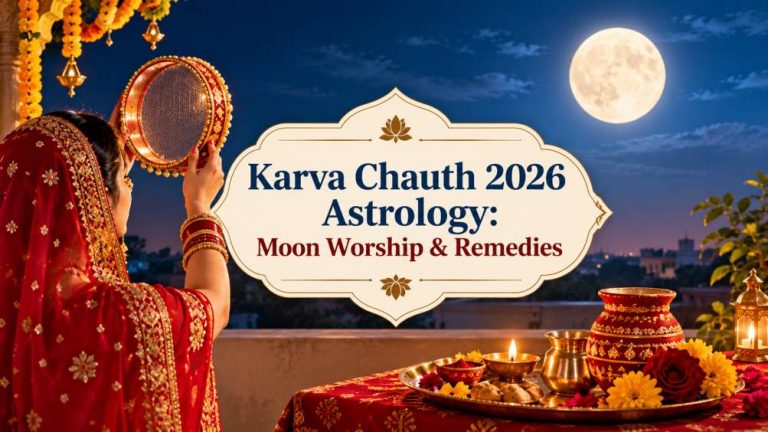

Sharad Purnima is an important Hindu festival celebrated on the full moon day of the Ashwin month. Also known as Kojagari Purnima, this sacred occasion is associated with Goddess Lakshmi, Chandra Dev (the Moon God), prosperity, spiritual awareness, and the traditional practice of observing a fast.
In Vedic astrology, the Moon represents the mind, emotions, mental peace, and sensitivity. Since Sharad Purnima falls on a full moon, devotees traditionally consider it an auspicious time for prayer, meditation, and reflection. Many families perform Lakshmi Puja, recite the Sharad Purnima Vrat Katha, and prepare kheer as an offering.
Sharad Purnima 2026 offers an opportunity to reconnect with spiritual traditions and practise gratitude. However, exact puja timings and fasting observances should be confirmed using a reliable local Panchang, as tithi timings can vary by location and calendar convention.
Sharad Purnima 2026: Date and Significance
Sharad Purnima in 2026 falls on Sunday, 25 October 2026, according to commonly published Hindu festival calendars. Devotees should verify the local Panchang for the precise Purnima tithi, moonrise, and Lakshmi Puja muhurat before planning rituals.
The festival is traditionally associated with three important themes:
- Goddess Lakshmi: Worship is performed to seek blessings for prosperity, responsible wealth management, and household well-being.
- Chandra Dev: The full Moon is honoured as a symbol of emotional balance, calmness, and reflection.
- Spiritual discipline: Fasting, mantra chanting, charity, and prayer encourage self-control and gratitude.
In some regional traditions, Sharad Purnima is also associated with the divine Raas Leela of Lord Krishna and the Gopis.
Sharad Purnima Vrat Katha
The Sharad Purnima Vrat Katha is traditionally recited to understand the spiritual importance of devotion, generosity, discipline, and faith.
The Traditional Story of the Two Sisters
A popular version of the Vrat Katha tells the story of two sisters who observed religious fasts differently. The elder sister followed the fast sincerely and completed the prescribed rituals, while the younger sister observed the fast incompletely or without the same discipline.
According to the traditional narrative, the sisters experienced different outcomes, illustrating the importance of sincerity and consistency in religious observances. Some versions include a family tragedy and subsequent worship that brings restoration, although the details vary across regional retellings.
The central message is not that rituals mechanically guarantee a particular result. Rather, the story encourages devotees to approach their vows with sincerity, responsibility, compassion, and faith.
Spiritual Lesson of the Vrat Katha
The story reminds devotees to:
- Perform religious observances according to their capacity.
- Avoid dishonesty or neglect when making a spiritual commitment.
- Share food and resources with people in need.
- Practise patience and gratitude in family life.
After bathing and preparing the puja area, devotees may recite the Vrat Katha in the evening, offer prayers to Goddess Lakshmi and Chandra Dev, and conclude the observance according to their family tradition.
Sharad Purnima Puja Vidhi
A simple, traditional puja can be performed at home with devotion and cleanliness.
Step-by-Step Puja Procedure
- Clean the puja area: Prepare a clean space and place an image or idol of Goddess Lakshmi. Keep the necessary offerings ready.
- Take a sankalp: After bathing, resolve to observe the fast and perform the puja according to your capacity.
- Offer prayers to Lord Ganesha: Begin by remembering Lord Ganesha and seeking blessings for an uninterrupted puja.
- Perform Lakshmi Puja: Offer flowers, kumkum, rice, incense, a diya, and seasonal fruits to Goddess Lakshmi.
- Recite the Vrat Katha: Read or listen to the traditional Sharad Purnima story with attention and devotion.
- Chant a mantra: Recite a Lakshmi mantra or a Chandra mantra according to your preference.
- Offer kheer: Prepare milk-based kheer as a traditional bhog and offer it to the deity.
- Pray to the Moon: If the Moon is visible, offer respectful prayers. Follow your family’s established custom for any water offering.
- Complete the observance: Distribute prasad and conclude the fast according to your health, family tradition, and the relevant Panchang.
The ritual does not need to be elaborate. Sincerity, cleanliness, and thoughtful participation are more important than expensive offerings.
Sharad Purnima Mantras for Lakshmi and Chandra
Mantra chanting is a traditional way to focus the mind during worship. Devotees may select one mantra and repeat it calmly.
Goddess Lakshmi Mantra
ॐ श्रीं महालक्ष्म्यै नमः।
Om Shreem Mahalakshmyai Namah.
This mantra is traditionally chanted while praying for prosperity, contentment, and wise use of resources.
Chandra Mantra
ॐ सोम सोमाय नमः।
Om Som Somaya Namah.
This mantra is associated with Chandra Dev and is traditionally used during prayers for mental calmness and emotional balance.
You may chant either mantra 11, 21, or 108 times, depending on your time and practice. These repetitions are devotional conventions, not scientifically established guarantees of specific outcomes.
Sharad Purnima Fasting Rules
Fasting customs vary by region, household, and individual health. Some devotees observe a strict fast, while others consume fruit, milk, or permitted foods.
Common practices include:
- Taking a bath and making a sincere fasting resolution.
- Avoiding foods prohibited by one’s family or religious tradition.
- Spending time in prayer, mantra chanting, and reading the Vrat Katha.
- Offering food, clothes, or other appropriate assistance to people in need.
- Breaking the fast according to the chosen tradition and personal health requirements.
Health guidance: Fasting is not suitable for everyone. People with diabetes, those who are pregnant or breastfeeding, older adults, and individuals taking medicines that require food should consult an appropriate healthcare professional before changing their eating routine. Do not stop prescribed medicines or restrict water when doing so could compromise health.
Astrological Significance of Sharad Purnima
In Vedic astrology, the Moon is associated with the fourth house, which relates to home, emotional security, and inner comfort. The Moon also signifies the mind, motherly care, and habitual responses.
Sharad Purnima is traditionally considered a meaningful occasion for Moon worship because it occurs on Purnima, when the Moon appears full. However, a full Moon does not automatically create a favourable or unfavourable result in every birth chart. Astrological interpretations depend on several factors, including the Moon’s sign, house, planetary associations, and the overall chart.
Traditional Remedies for Sharad Purnima
- For mental peace: Spend a few minutes in silent prayer or meditation.
- For family harmony: Offer prayers together and make an effort to resolve a disagreement respectfully.
- For prosperity: Worship Goddess Lakshmi and practise responsible financial habits.
- For generosity: Donate food, milk, or other useful items according to your means.
- For emotional balance: Reduce unnecessary arguments and make time for restful activities.
These practices can support reflection and constructive habits, but they should not replace professional medical, financial, or psychological advice.
Conclusion
Sharad Purnima 2026 is an opportunity to honour Goddess Lakshmi, offer prayers to Chandra Dev, and reflect on the values of discipline, generosity, and peace. Reciting the Sharad Purnima Vrat Katha, performing a simple Lakshmi Puja, chanting traditional mantras, and observing a suitable fast can help families maintain meaningful cultural traditions.
From a Vedic astrology perspective, the festival also provides an occasion to reflect on the Moon’s traditional connection with emotions and mental well-being. However, no ritual can guarantee wealth, health, or specific life outcomes.
Before celebrating on 25 October 2026, check a trusted local Panchang for the Purnima tithi and puja timings. Choose fasting practices that suit your health, respect your family’s customs, and focus on carrying the spirit of gratitude and kindness into everyday life.
Frequently Asked Questions (FAQs)
1. When is Sharad Purnima in 2026?
Sharad Purnima is observed on 25 October 2026, according to commonly published Hindu festival calendars.
The exact Purnima tithi and puja muhurat should be checked in a reliable local Panchang because timings depend on location and traditional observance rules.
Tips:
- Confirm the tithi and moonrise time locally.
- Prepare puja items in advance.
- Follow your family’s established customs.
2. What is the significance of Sharad Purnima Vrat Katha?
The Sharad Purnima Vrat Katha teaches the importance of sincere devotion, discipline, generosity, and faith.
Devotees traditionally recite the story during the puja to reflect on these values. Different regional versions may contain different narrative details.
Tips:
- Read the story before or during the evening puja.
- Focus on its moral message.
- Include charity or an act of kindness in your observance.
3. Which mantra should be chanted on Sharad Purnima?
Devotees may chant the Lakshmi mantra, “Om Shreem Mahalakshmyai Namah,” or the Chandra mantra, “Om Som Somaya Namah.”
The Lakshmi mantra is associated with prosperity and contentment, while the Chandra mantra is traditionally linked with calmness and emotional balance.
Tips:
- Choose a mantra that suits your devotional practice.
- Chant 11, 21, or 108 times if convenient.
- Maintain a calm, focused mind.
4. Can we eat during the Sharad Purnima fast?
Yes, fasting rules vary, and some traditions permit fruits, milk, or other designated foods while others prescribe stricter observances.
The appropriate fast depends on family customs, religious tradition, and individual health. People with medical conditions or medicines requiring food should seek medical guidance before fasting.
Tips:
- Follow a fasting method suitable for your health.
- Avoid dehydration or extreme food restriction.
- Never discontinue prescribed medication to observe a fast.
5. Why is the Moon worshipped on Sharad Purnima?
The Moon is worshipped because Purnima is traditionally associated with completeness, devotion, and the Moon’s symbolic connection with the mind and emotions.
In Vedic astrology, Chandra Dev represents mental tendencies and emotional responses. Moon worship is a traditional spiritual practice, but it does not guarantee specific astrological or medical outcomes.
Tips:
- Offer prayers when the Moon is visible.
- Practise meditation or quiet reflection.
- Check local moonrise timings before planning outdoor rituals.
6. Is it necessary to keep kheer under the moonlight?
No, placing kheer under the moonlight is a popular custom, but it is not compulsory in every Sharad Purnima tradition.
Many families prepare kheer as bhog and associate it with the festival’s traditional belief in the auspiciousness of moonlight. This is a cultural and devotional practice rather than a scientifically established health treatment.
Tips:
- Prepare fresh kheer using clean utensils.
- Keep food covered and protected from insects and contamination.
- Refrigerate perishable food promptly rather than leaving it outdoors for extended periods.
7. What are the best remedies to follow on Sharad Purnima?
Traditional remedies include Lakshmi Puja, Chandra mantra chanting, meditation, charity, and acts that encourage harmony within the family.
These practices can provide a structured opportunity for prayer and reflection. Their value should not be measured by promises of guaranteed wealth, marriage, career success, or other specific outcomes.
Tips:
- Worship according to your capacity.
- Donate useful items to people in need.
- Combine prayer with practical, responsible daily habits.