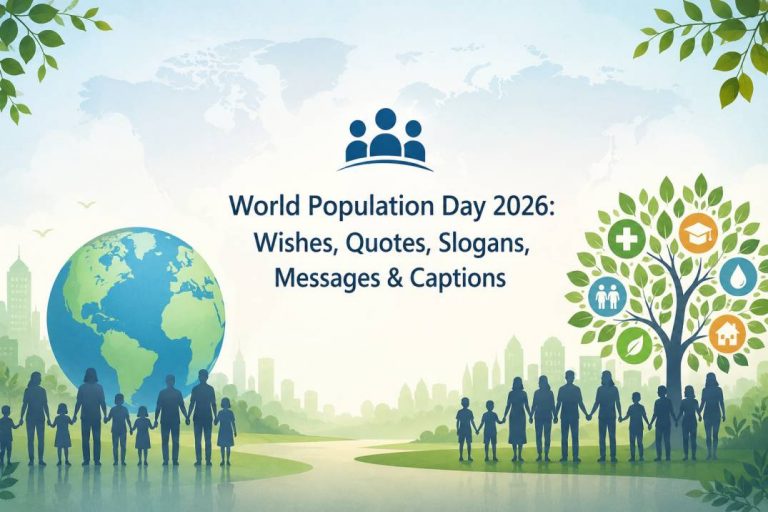
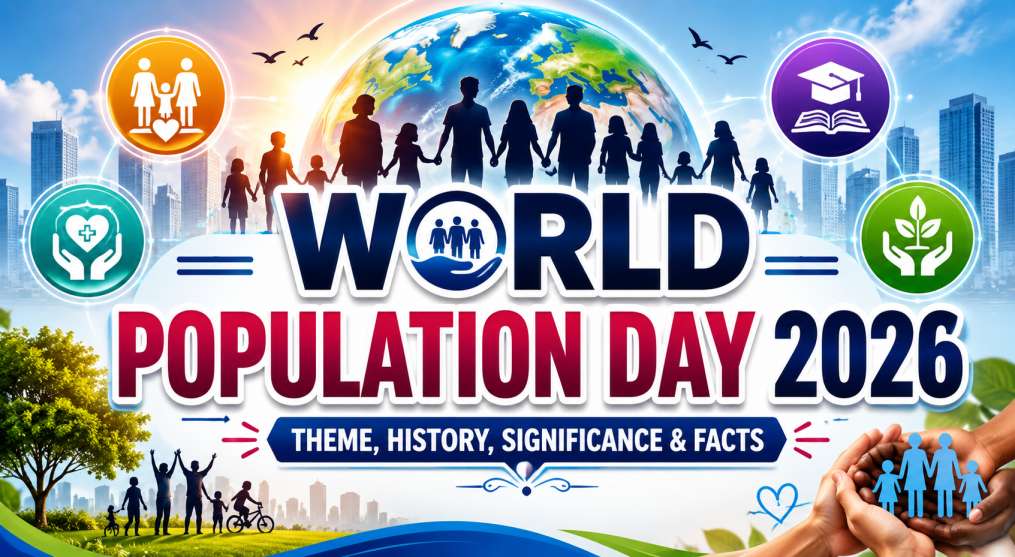
World Population Day is observed every year on 11 July to raise awareness about global population issues, sustainable development, healthcare, education, gender equality, and responsible resource management. In 2026, the day falls on Saturday, 11 July 2026. Since it is a global awareness event rather than a religious festival, there are no specific muhurat or timings. Awareness programs, seminars, and campaigns are generally conducted throughout the day in IST (Indian Standard Time).
From an astrological perspective, population growth is closely linked with the symbolism of Jupiter (expansion), Moon (nurturing), Venus (family), and Saturn (social responsibility) in Vedic astrology. While astrology does not predict population numbers, it offers insights into family values, responsible parenting, and societal balance. The occasion encourages people to think beyond numbers and focus on creating healthier, educated, and sustainable communities.
What Is World Population Day?
World Population Day is an annual international observance dedicated to highlighting the opportunities and challenges created by population growth across the world.
The day focuses on topics such as:
- Family planning
- Maternal and child healthcare
- Women’s empowerment
- Education
- Sustainable development
- Climate change
- Resource management
- Gender equality
The objective is not simply to discuss population size but to improve the quality of life for present and future generations.
History of World Population Day
World Population Day was established by the United Nations Development Programme (UNDP) in 1989.
Its origin was inspired by the global interest surrounding Five Billion Day on 11 July 1987, when the world’s population was estimated to have reached five billion people.
Since then, governments, educational institutions, NGOs, healthcare organizations, and the United Nations have observed the day every year through awareness campaigns and policy discussions.
World Population Day 2026 Theme
At the time of writing, the official World Population Day 2026 theme has not yet been announced.
Each year, the United Nations selects a theme that reflects current global population priorities such as:
- Reproductive health
- Equal opportunities
- Women’s rights
- Youth development
- Climate resilience
- Sustainable communities
The official theme is generally announced closer to 11 July 2026.
Why World Population Day Matters
Population growth directly influences nearly every aspect of society.
Healthcare
Growing populations require:
- Better hospitals
- More doctors
- Improved maternal care
- Vaccination programs
- Mental health support
Education
Increasing populations create demand for:
- Schools
- Colleges
- Skilled teachers
- Digital education
- Equal learning opportunities
Employment
Countries must generate:
- New jobs
- Entrepreneurship opportunities
- Skill development
- Economic growth
to support expanding populations.
Environment
Rapid population growth impacts:
- Water availability
- Forest conservation
- Air quality
- Biodiversity
- Climate change
Sustainable development helps balance economic progress with environmental protection.
Astrological Perspective on Population and Society
Although World Population Day is not an astrological event, Vedic astrology symbolically connects societal growth with certain planetary energies.
Jupiter (Guru)
Jupiter represents:
- Expansion
- Wisdom
- Children
- Prosperity
- Knowledge
A strong Jupiter is traditionally associated with healthy family values and responsible growth.
Moon (Chandra)
The Moon governs:
- Motherhood
- Emotions
- Caregiving
- Nutrition
- Family bonding
Balanced Moon energy promotes emotional well-being within families.
Venus (Shukra)
Venus signifies:
- Marriage
- Relationships
- Harmony
- Comfort
- Family happiness
Healthy relationships contribute to stable family structures.
Saturn (Shani)
Saturn teaches:
- Responsibility
- Discipline
- Long-term planning
- Social justice
- Resource management
Its influence reminds society that sustainable growth requires patience and accountability.
Practical Astrological Remedies for Family Harmony
These remedies are rooted in traditional Vedic practices and should be viewed as spiritual disciplines rather than guaranteed solutions.
Strengthen Jupiter
- Respect teachers and elders.
- Donate yellow food items on Thursdays.
- Read spiritual literature regularly.
Calm the Moon
- Practice meditation.
- Spend quality time with family.
- Offer water to a Shiva Lingam on Mondays.
Balance Venus
- Maintain cleanliness at home.
- Express gratitude toward your spouse and family.
- Avoid unnecessary conflicts.
Honor Saturn
- Help elderly people.
- Support underprivileged communities.
- Practice honesty and discipline.
These practices encourage compassion, responsibility, and stronger social relationships.
Interesting Facts About World Population Day
- It is observed every year on 11 July.
- The day was established in 1989.
- It was inspired by Five Billion Day (1987).
- The world’s population crossed 8 billion in 2022.
- India is among the world’s most populous countries.
- Population discussions today focus on sustainability rather than simply increasing or reducing numbers.
Real-Life Relevance
Population is not merely about statistics; it affects everyday life.
Growing populations influence:
- Housing
- Traffic
- Employment
- Healthcare
- Food production
- Water availability
- Urban planning
- Environmental conservation
Responsible family planning, education, and equal opportunities help build stronger communities.
Astrology complements this perspective by encouraging wisdom, balance, compassion, and responsible decision-making within families.
Conclusion
World Population Day 2026 reminds us that sustainable development depends not only on population numbers but also on education, healthcare, equality, and responsible use of resources. While Vedic astrology associates Jupiter, Moon, Venus, and Saturn with family life and social responsibility, practical actions such as education, healthcare access, environmental awareness, and community support remain the strongest foundations for long-term progress.
Whether viewed through a social or cultural lens, the day encourages individuals and governments alike to contribute toward a healthier, more balanced future. Use this occasion to reflect on how informed choices today can create a better quality of life for generations to come.
FAQs
1. When is World Population Day celebrated in 2026?
World Population Day will be observed on Saturday, 11 July 2026.
The observance takes place annually on 11 July to promote awareness about population-related issues such as healthcare, education, family planning, and sustainable development. There are no fixed ceremonial timings, and activities are generally organized throughout the day in IST.
Key points:
- Date: 11 July 2026
- Day: Saturday
- Timings: Throughout the day (IST)
- Global awareness event
2. What is the theme of World Population Day 2026?
The official theme for World Population Day 2026 has not yet been announced.
The United Nations typically releases the annual theme closer to the observance date, focusing on current global priorities related to population, health, and development.
Related tips:
- Follow official UN announcements.
- Participate in awareness campaigns.
- Share verified information from reliable sources.
3. Why is World Population Day important?
World Population Day highlights the importance of balancing population growth with sustainable development.
The observance encourages discussions on healthcare, education, environmental protection, gender equality, and economic opportunities. It reminds policymakers and citizens that quality of life depends on responsible planning and equitable access to resources.
Key focus areas:
- Better healthcare
- Equal education
- Environmental sustainability
- Women’s empowerment
- Responsible family planning
4. Does Vedic astrology say anything about population growth?
Vedic astrology symbolically associates family and social growth with planetary influences but does not predict population figures.
Planets like Jupiter, Moon, Venus, and Saturn are traditionally linked with family values, nurturing, relationships, and responsibility. These associations are symbolic and intended to encourage balanced living rather than forecast demographic trends.
Traditional remedies:
- Respect elders and teachers.
- Practice meditation.
- Support charitable causes.
- Maintain harmony within the family.
5. How can individuals contribute on World Population Day?
Individuals can contribute by promoting awareness, education, and responsible community practices.
Simple actions such as supporting educational initiatives, conserving natural resources, encouraging healthcare access, and spreading awareness about sustainable living can make a meaningful difference.
Helpful actions:
- Save water and energy.
- Support health awareness drives.
- Encourage education for all.
- Volunteer in community initiatives.
- Practice responsible environmental habits.