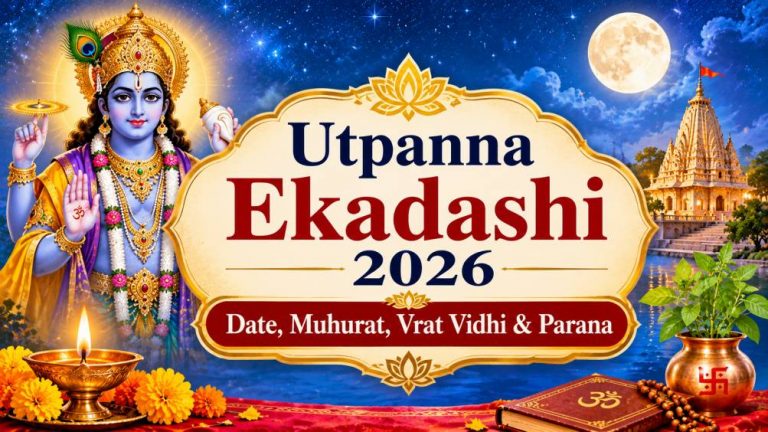
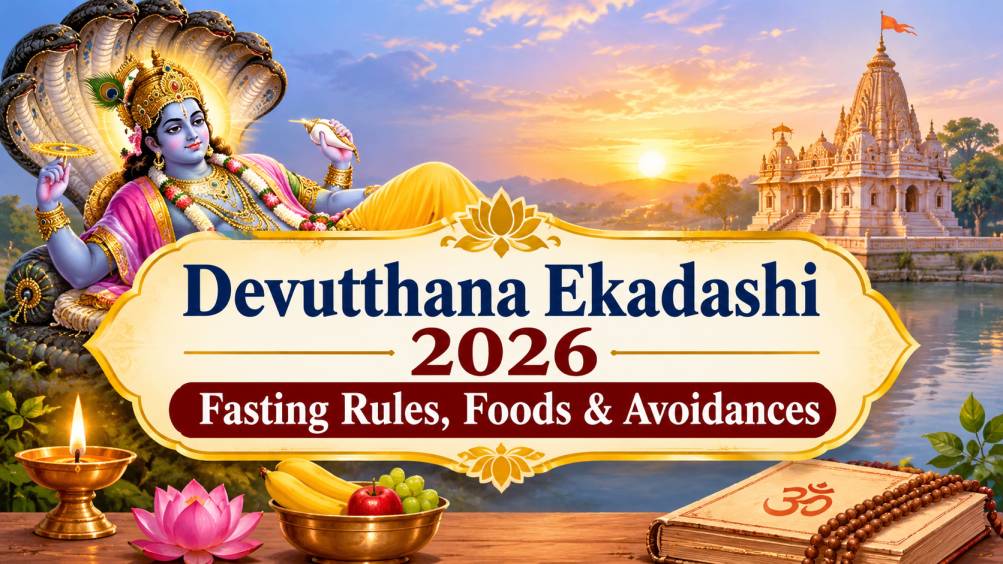
Devutthana Ekadashi, also known as Dev Uthani Ekadashi, Prabodhini Ekadashi and Deva Utthana Ekadashi, is an important Hindu festival dedicated to Lord Vishnu. Observed on the Shukla Paksha Ekadashi of the Kartik month, this sacred day symbolises the awakening of Lord Vishnu from his four-month-long cosmic sleep, known as Yoga Nidra.
Devutthana Ekadashi 2026 holds special importance because it marks the traditional conclusion of Chaturmas, a spiritually significant period during which devotees focus on prayer, fasting and self-discipline. Many Hindu communities also consider this occasion auspicious for beginning weddings and other religious ceremonies.
Observing the Ekadashi vrat with devotion, following appropriate fasting rules and choosing suitable foods are believed to promote spiritual awareness, discipline and inner peace.
Devutthana Ekadashi 2026: Date and Timings
Devutthana Ekadashi will be observed on Friday, 20 November 2026, according to the commonly followed Smarta calendar in India.
20 November 2026 – Friday
Important dates and timings:
| Event | Date and Time (IST) |
| Devutthana Ekadashi | 20 November 2026 |
| Ekadashi Tithi Begins | 20 November, 7:15 AM |
| Ekadashi Tithi Ends | 21 November, 6:31 AM |
| Parana (New Delhi) | 21 November, 1:11 PM–3:18 PM |
Note: Timings are based on the New Delhi Panchang. Local Parana timings may differ. Vaishnava devotees following the Gauna Ekadashi tradition may observe the fast on 21 November instead.
The Parana should be performed according to the prescribed Dwadashi rules, after Hari Vasara ends. Always consult your local Panchang for the correct fasting and breaking-fast timings.
Spiritual and Astrological Significance of Devutthana Ekadashi
Devutthana Ekadashi is associated with Lord Vishnu, who is traditionally believed to awaken from Yoga Nidra on this day. According to Hindu religious beliefs, Lord Vishnu enters this cosmic rest on Devshayani Ekadashi and awakens on Devutthana Ekadashi.
This transition represents the return of auspicious activities, renewal and spiritual progress.
1. Connection with Lord Vishnu and Jupiter
In Vedic astrology, Jupiter (Guru or Brihaspati) represents wisdom, knowledge, prosperity, spirituality and religious values. Lord Vishnu is also associated with the preservation of cosmic order and dharma.
Devotees traditionally worship Lord Vishnu on Ekadashi to seek blessings for:
- Wisdom and better decision-making.
- Peace and harmony within the family.
- Spiritual development and self-discipline.
- Stability in personal and professional life.
- Positive thinking and a sense of gratitude.
These are traditional spiritual associations rather than guaranteed astrological outcomes.
2. Importance of the Eleventh Lunar Day
Ekadashi is the eleventh lunar day of both the waxing and waning phases of the Moon. In Hindu tradition, fasting on this day is believed to help control sensory distractions and encourage mental discipline.
From an astrological perspective, the lunar calendar gives Ekadashi its religious significance. Devotees use the occasion to practise meditation, prayer and mindful living.
3. End of Chaturmas
Chaturmas is a four-month period associated with devotion, fasting and spiritual practices. Devutthana Ekadashi marks its traditional conclusion.
Many communities consider this period significant for resuming auspicious ceremonies, including marriages, religious functions and other celebrations.
Devutthana Ekadashi 2026 Fasting Rules
Devotees observe the Ekadashi vrat according to their health, religious traditions and personal capacity. The purpose of fasting is to practise self-control, devotion and simplicity rather than putting unnecessary pressure on the body.
1. Follow the Dashami Preparation
Preparation for Ekadashi begins on the previous day, known as Dashami.
- Eat a simple, preferably vegetarian meal.
- Avoid alcohol, non-vegetarian food and heavy meals.
- Maintain cleanliness and a peaceful environment.
- Avoid overeating before beginning the fast.
2. Choose Your Type of Ekadashi Fast
There are different ways to observe Devutthana Ekadashi:
- Nirjala Vrat: Devotees abstain from both food and water. This is a strict form of fasting and should not be attempted without considering health and safety.
- Phalahar Vrat: Devotees consume fruits, milk, nuts and permitted fasting foods.
- Partial Fasting: Some people eat one simple fasting meal during the day.
- Satvik Vrat: Devotees avoid grains, regular salt and prohibited ingredients while eating simple vegetarian food.
Choose a fasting method according to your physical capacity and family tradition.
3. Perform Lord Vishnu Puja
On the morning of Ekadashi:
- Wake up early and take a bath.
- Clean the prayer area and place an image or idol of Lord Vishnu.
- Offer yellow flowers, fruits, Tulsi leaves and incense.
- Light a diya and offer prayers.
- Chant the Vishnu mantra or Vishnu Sahasranama.
- Read or listen to the Devutthana Ekadashi Vrat Katha.
Devotees may also observe an evening prayer or bhajan session.
Devutthana Ekadashi 2026: Foods to Eat During Fasting
Choosing appropriate foods is an important part of observing the Ekadashi vrat. Traditional fasting diets generally avoid grains and regular pulses while allowing selected fruits, dairy products and other fasting ingredients.
1. Fruits
Fruits are commonly consumed during Ekadashi fasting because they provide energy, fibre and essential nutrients.
Suitable options include:
- Apples
- Bananas
- Papaya
- Pomegranate
- Guava
- Oranges
2. Dairy Products
Milk and dairy products are permitted in many fasting traditions.
You can include:
- Fresh milk.
- Homemade curd.
- Paneer.
- Buttermilk.
- Unsweetened lassi.
3. Sabudana
Sabudana is a popular ingredient used in Hindu fasting recipes. Sabudana khichdi prepared with potatoes, peanuts and permitted spices is a common choice.
4. Kuttu and Singhara Flour
Buckwheat flour (kuttu atta) and water chestnut flour (singhara atta) are commonly used to prepare fasting rotis, puris and other vrat dishes.
5. Makhana and Nuts
Makhana, almonds, cashews and walnuts can be included in moderate quantities. They provide fats, minerals and energy.
6. Rock Salt and Suitable Spices
Many households use sendha namak (rock salt) instead of regular table salt during fasting.
Commonly permitted spices include:
- Cumin seeds.
- Black pepper.
- Green cardamom.
- Ginger.
- Fresh coriander.
Fasting ingredients can vary between communities, so follow your family’s established Ekadashi traditions.
Foods to Avoid on Devutthana Ekadashi
Traditional Ekadashi fasting involves avoiding certain food groups as an act of spiritual discipline.
The following foods are generally avoided:
| Food Category | Foods to Avoid |
| Grains | Rice, wheat, maize and barley |
| Pulses | Lentils, chickpeas, kidney beans and peas |
| Regular salt | Common table salt in traditions that prohibit it |
| Non-vegetarian food | Meat, fish and eggs |
| Certain vegetables | Onion and garlic |
| Alcohol | Beer, wine and other alcoholic drinks |
Some devotees also avoid processed foods, packaged snacks and ingredients containing grains or pulses.
Important: Not every household follows identical rules. Check food labels carefully, particularly for packaged products, and follow your family’s vrat customs.
Practical Remedies and Spiritual Practices for Devutthana Ekadashi
Apart from fasting, devotees can follow simple spiritual practices to make the occasion more meaningful.
1. Chant the Vishnu Mantra
Chanting the following mantra is a traditional way to worship Lord Vishnu:
Om Namo Bhagavate Vasudevaya.
Devotees may repeat it 108 times while meditating or performing puja.
2. Offer Tulsi Leaves
Tulsi is considered sacred in Hindu tradition and is closely associated with Lord Vishnu. Offering fresh Tulsi leaves during Vishnu puja is considered auspicious.
3. Donate Food and Essentials
Charity is an important part of Ekadashi observance. Consider donating:
- Food grains after the fasting day.
- Clothes to people in need.
- Fruits and essential supplies.
- Educational materials to children.
4. Practise Meditation and Self-Control
Spend some time in meditation, prayer or reading spiritual literature. Avoid unnecessary arguments and focus on positive actions.
5. Observe Tulsi Vivah
Devutthana Ekadashi is closely connected with Tulsi Vivah, the ceremonial marriage of Goddess Tulsi and Lord Vishnu in his Shaligram form. Many communities celebrate Tulsi Vivah on Ekadashi or Dwadashi, depending on their traditions.
Health Precautions While Observing the Vrat
Religious fasting should be practised responsibly. Strict fasting may not be suitable for everyone.
- Drink sufficient water if your fasting tradition permits it.
- Avoid excessive physical activity.
- Eat balanced fasting meals when following Phalahar.
- People with diabetes, kidney problems, pregnancy, or other medical conditions should seek medical advice before fasting.
- Do not discontinue prescribed medicines to observe a religious fast.
The spiritual purpose of Ekadashi is devotion and self-discipline, not compromising physical well-being.
Conclusion
Devutthana Ekadashi 2026 is an important spiritual occasion that celebrates the awakening of Lord Vishnu and the conclusion of Chaturmas. Observing the vrat through appropriate fasting rules, permitted foods, Vishnu puja, mantra chanting and charity can encourage discipline and spiritual reflection.
Whether you choose Nirjala fasting, Phalahar or a simple partial fast, devotion and sincerity remain central to the observance. Avoiding prohibited foods and following the correct Parana procedure are also important aspects of the tradition.
Use this occasion to develop positive habits, strengthen family relationships and bring greater mindfulness into everyday life. Remember that spiritual practices are most meaningful when followed with understanding, compassion and balance.
Frequently Asked Questions (FAQs)
1. When is Devutthana Ekadashi in 2026?
Devutthana Ekadashi will be observed on Friday, 20 November 2026, according to the Smarta calendar.
It falls on Kartik Shukla Ekadashi and marks the traditional awakening of Lord Vishnu from Yoga Nidra.
The Vaishnava Gauna Ekadashi observance falls on 21 November in some traditions.
Tips:
- Check your local Panchang.
- Follow your family’s fasting tradition.
- Confirm the Parana timings before breaking the fast.
2. Which foods can we eat during Devutthana Ekadashi fasting?
Devotees can generally consume fruits, milk, makhana, sabudana, nuts, kuttu flour and singhara flour during Phalahar fasting.
These foods are commonly included in traditional Ekadashi vrat meals because they do not contain the regular grains and pulses avoided during the fast.
Recommended foods:
- Fresh fruits.
- Milk and curd.
- Sabudana khichdi.
- Makhana.
- Kuttu and singhara preparations.
3. Can we eat rice on Devutthana Ekadashi?
No, traditional Ekadashi fasting rules generally prohibit eating rice and other grains.
Rice, wheat, barley and regular pulses are avoided as part of the religious fasting practice. Devotees can choose fasting alternatives such as sabudana, kuttu flour and fruits.
Tips:
- Avoid rice-based dishes.
- Check packaged food ingredients.
- Choose traditional vrat recipes instead.
4. Can we drink tea or coffee during Ekadashi fasting?
Many fasting traditions permit tea or coffee, but some devotees avoid caffeinated beverages completely.
There is no single universal rule regarding tea and coffee consumption during Ekadashi. Your family’s customs and chosen fasting method determine what is permitted.
Tips:
- Prefer water and milk.
- Avoid excessive caffeine.
- Follow your family’s vrat guidelines.
5. What is the correct time to break the Devutthana Ekadashi fast in 2026?
For devotees observing the Smarta fast in New Delhi, the Parana window is 1:11 PM to 3:18 PM on Saturday, 21 November 2026.
Parana means breaking the Ekadashi fast on Dwadashi according to prescribed religious timings. Since the Hari Vasara period extends into the day, the Parana is scheduled for the afternoon in this calculation.
Tips:
- Check your city-specific Panchang.
- Avoid breaking the fast before the prescribed time.
- Begin with a simple, easily digestible meal.
6. Why is Lord Vishnu worshipped on Devutthana Ekadashi?
Lord Vishnu is worshipped because Hindu tradition considers this day the occasion of his awakening from four months of Yoga Nidra.
The occasion symbolises the restoration of auspicious activities and the end of Chaturmas. Devotees pray for peace, prosperity, wisdom and spiritual development.
Suggested practices:
- Chant Om Namo Bhagavate Vasudevaya.
- Offer Tulsi leaves to Lord Vishnu.
- Read Vishnu Sahasranama.
- Perform charity and help people in need.
7. Can pregnant women and people with diabetes observe Ekadashi fasting?
People with medical conditions, including diabetes, and pregnant women should consult their healthcare professionals before undertaking any fasting practice.
Strict fasting or skipping meals can affect blood glucose levels, hydration and nutritional requirements. Religious observance should never involve ignoring medical advice.
Health suggestions:
- Avoid Nirjala fasting without medical guidance.
- Do not skip prescribed medicines.
- Choose an appropriate meal plan if medically permitted.
- Prioritise health and safety over strict fasting.